
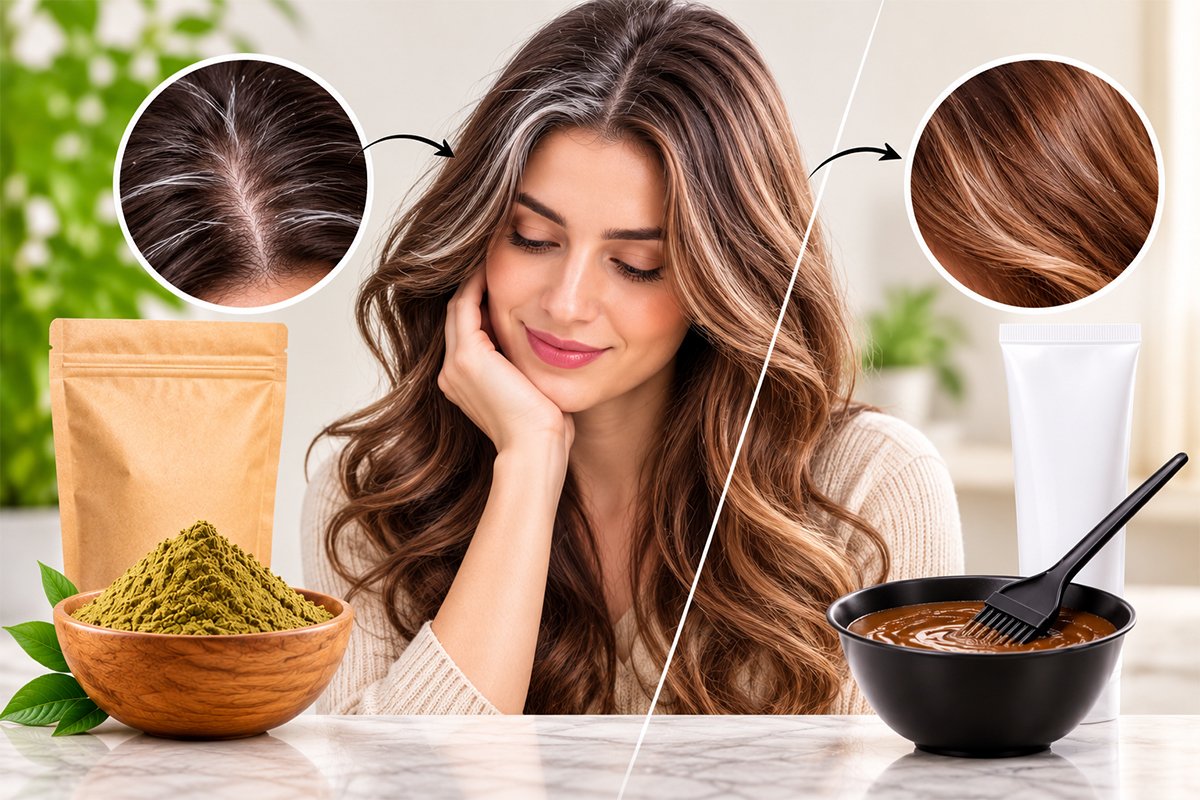
Herbal Hair Color Powder vs. Cream Hair Color: What US Private-Label Brands Should Consider
Why would a federal law ask a pouch of plain leaf powder to appear on an approved list, while a tube of cream dye can reach the shelf without one? The trail starts in the 1920s and 1930s, when an eyelash dye blinded some women, according to the FDA’s own history of color additives. Congress responded with the Federal Food, Drug, and Cosmetic Act of 1938, the first US law to regulate cosmetics. It also carved out an exception for coal-tar hair dyes: they need no color-additive approval, and the law limits the FDA’s power to act against them when the label carries a caution statement and skin-test directions.
That exception never reached plant powders. The FDA says hair colorants made from plant or mineral sources are regulated like other color additives, so they must be approved and listed, and henna is on the list for hair only. That makes the choice between powder and cream look like a packaging decision while it behaves like a sourcing and compliance decision. For brands comparing hair color powder manufacturers with cream formulators, the real differences show up in preparation, formulation, packaging and paperwork.
Herbal hair color powder is a dry, milled botanical product that the user mixes into a paste, while cream hair color is a factory-formulated cream that arrives ready to apply. Powder shifts the work toward raw-material quality, fineness and shade consistency. Cream shifts it toward emulsion chemistry and preservation. The sections below explain which one fits your brand.
What Is the Real Difference Between Herbal Hair Color Powder and Cream Hair Color?
Herbal hair color powder means dried, milled plant material, such as henna leaf, that the user mixes with a liquid before applying. In simple terms, the factory supplies the ingredients and the customer finishes the recipe. Cream hair color means a formulated cream or emulsion that the factory has already blended, so the customer opens the pack and applies it, sometimes after mixing it with an activator.
| Question | Herbal hair color powder | Cream hair color |
| What ships | Dry, milled botanical powder | Formulated cream or emulsion |
| Preparation | User mixes with a liquid before use | Applied from the pack, sometimes after mixing with an activator |
| Main formulation work | Leaf grade, blend ratios and fineness | Water, oils, emulsifiers, preservatives and colorants |
| Biggest storage risk | Moisture, air and light | Microbial growth and emulsion breakdown |
| Typical pack | Foil pouches and bulk bags | Tubes, bottles and sachets |
| US color additive route | Listed colorants such as henna, for hair only | Depends on the dyes used; coal-tar hair dyes follow the 1938 caution-and-skin-test route |
Brands new to botanical powders can see how one catalog is organized in this herbal hair color product range, which lists shades from natural henna and indigo to browns and blondes.
Ingredient and Formulation Differences
A powder’s formulation is mostly selection and blending. The maker picks the leaf grade, the blend ratio and the fineness, then tests each batch against a reference shade. That is herbal hair color powder formulation in practice: fewer ingredients, but each one matters more. A cream carries water, oils, emulsifiers, preservatives and colorants, and the finished product needs safety substantiation either way.
Henna’s dye molecule is lawsone, and botanical hair color ingredients vary with harvest, soil and drying, so two lots of the same leaf may behave slightly differently. Cream makers fight a different battle: keeping an emulsion stable and free of microbial growth.
Consumer Experience and Application
Powder asks more of the customer. They mix a paste, apply it, wait the stated time and rinse. Plant colorants can build color gradually over repeated applications, and they deposit color rather than lighten, so the pack must set expectations clearly. A powder brand is partly in the business of teaching people to make a paste, a skill most customers pick up after one slightly messy afternoon. Cream asks for less preparation, but it brings its own instructions, skin-test advice and warnings.
Packaging and Storage Considerations
Powder’s enemies are moisture, air and light, so barrier packaging does the job that a preservative does in a cream. One manufacturer’s packing page lists metallic aluminum pouches in 100 g, 500 g and 1 kg sizes, plus 20 kg and 25 kg bulk bags built from an airtight polyethylene inner bag, a silver aluminum pouch and a sturdy carton. Paper boxes can carry a brand’s logo, product information and usage instructions.
Brands can review those formats on the page for custom hair color pouches and bulk packaging, then compare them with the tubes and bottles that a cream line would need.
What Role Do Henna and Indigo Play in Herbal Hair Color?
The FDA defines henna as the dried leaf and petiole of Lawsonia inermis, and it attaches a purity specification to that definition. That tight definition is why a careful supplier talks about leaf grade before shade names. Henna gives warm red-orange tones, and its listing limits it to coloring hair. It may not be used on eyelashes, eyebrows or around the eye. Labels, ads and social posts all inherit that restriction, so brands reviewing a natural henna powder product should let it shape every claim.
Indigo comes from Indigofera tinctoria. It adds cool, dark tones, and when it is layered over or blended with henna, it deepens the red toward brown and black. That is the logic behind henna and indigo color blends: the ratio sets the shade, so a new ratio is a new product. Every ratio needs its own test round, its own swatches on different hair types and its own approved reference sample before it goes on sale. Indigo is a crop too, so ask which leaf grade went into each lot and how it was dried. Brands exploring indigo powder for herbal hair coloring should budget for that testing.
One caution belongs here, and it is easy to miss. The FDA’s hair dye page names henna and bismuth citrate as color additives approved for use on hair. Indigo does not appear on that page. A blend is only as straightforward as its least straightforward ingredient, so ask a US regulatory adviser how each botanical in a henna and indigo blend is treated before you place a first order.
What Should US Beauty Brands Look For in a Hair Color Powder Manufacturer?
Start with paperwork that a buyer can verify. The FDA’s listing for the henna ingredient doubles as a handy yardstick: no more than 10 percent other plant material from the same species, no admixture from any other species, moisture of 10 percent or less, total ash of 15 percent or less, acid-insoluble ash of 5 percent or less, lead of 20 parts per million or less, and arsenic of 3 parts per million or less. Ask whether the supplier’s Certificate of Analysis tests against those numbers, and which lab did the testing.
Then look at what a Certificate of Analysis rarely captures. Powder fineness and mesh specifications affect how smoothly a paste mixes and how evenly it rinses out. Batch-to-batch shade consistency decides whether a customer who reorders gets the color they remember. Ask for the mesh size in writing, request samples from at least two batches, and swatch-test both on your own hair.
US brands sourcing from overseas should also ask how the supplier handles US orders, because export paperwork, shipping times and a US-based responsible person all need planning from the start. A page written for a natural henna powder supplier for US businesses shows one way a manufacturer presents that information.
How Do You Evaluate a Herbal Hair Color Manufacturer?
A herbal hair color manufacturer should answer three questions without hesitation: what exactly is in the pouch, how was it tested, and who stands behind the batch record? Ask for an ingredient declaration for every finished shade, including each botanical in a blend. Read certificates for their scope and expiry date rather than the logo alone, keep copies in your own files, and order a sample before you discuss volumes or pricing. Suppliers who welcome these requests tend to be the ones worth keeping. For a broader walkthrough of the selection process, this guide to choosing a private-label hair color manufacturer covers it step by step.
Bulk Hair Color Powder and Private-Label Packaging
Bulk orders and private-label work follow the same path: a shade brief, samples, written approval and a locked reference sample that every later batch is matched against. Without that reference, “the same shade” becomes an argument six months later. Decide early which parts of the product you will customize and which you will take as supplied, because every customized element needs its own approval step.
What Does Private Label Herbal Hair Color Powder Involve?
Private label herbal hair color powder means a manufacturer produces the powder to your brief and you sell it under your own name. In practice, private-label herbal hair color manufacturing usually covers shade selection, blend ratios, pack format and label artwork, while the plant material itself stays an agricultural product with natural variation.
Planning Bulk Herbal Hair Color Orders
Bulk herbal hair color arrives as dry powder in large bags, and the next question is who fills the retail pouches. Some brands ask the supplier to fill and label them. Others fill in the US, which can raise facility registration questions of their own, so confirm that route with an adviser. Whichever route you choose, print a lot code on every retail pouch so a customer complaint can be traced to a batch.
What Do US Import and Cosmetic Compliance Rules Mean for Hair Color Powder?
This section is general information, not legal advice. Imported cosmetics must meet the same requirements as those made in the United States, and the FDA reviews entry details such as the declared manufacturer, the importer and the product description. The agency’s guidance on importing cosmetics explains what is checked at the border.
Color additives are the exception to the rule that cosmetics need no FDA premarket approval, because each color additive must be approved for its intended use. Henna’s listing requires two label statements or their equivalent: “Do not use in the area of the eye” and “Do not use on cut or abraded scalp.” Cream dyes under the coal-tar hair dye exception need a different caution statement and skin-test directions. Either way, the regulatory adviser should see the label before the printer does.
Under the Modernization of Cosmetics Regulation Act, facilities register with the FDA, and the responsible person lists each product and keeps safety records. One recent point is worth knowing. On September 9, 2026, the FDA clarified that it does not issue certificates or other documents verifying cosmetic facility registration or product listing. A supplier offering an “FDA registration certificate” is offering something the agency says it does not produce. Ask for registration details that you can check, and read the FDA’s page on registration and listing of cosmetic product facilities so you know what a genuine record looks like.
Two claim traps are worth avoiding. Never call a product “FDA approved” because its factory is registered, since registration is not an approval program. And do not use the word “organic” on a pouch unless a certification supports the claim. Both mistakes are easy to make in a hurry and slow to fix after the boxes are printed.
Finally, keep eyebrow products in a separate lane. Henna’s listing covers hair only and excludes eyelashes, eyebrows and the eye area, so a henna hair color should not be rebranded as a brow tint without separate regulatory advice. The FDA’s hair dye fact sheet is a useful starting point for how the agency treats plant-based hair colorants.
Which Questions Should You Ask Before Choosing a Hair Color Supplier?
Take this list to every supplier call, and ask for the answers in writing:
- What does the Certificate of Analysis test, and which lab issues it?
- What mesh size is the powder, and how is fineness checked on each batch?
- How is shade matched from one batch to the next?
- Can you share an ingredient declaration for each finished shade?
- Which registration details can the facility share?
- Who owns the shade formula and reference sample if the relationship ends?
A supplier who answers all six in writing is rarer than a white bathroom floor that survives a henna paste unstained.
Frequently Asked Questions
Q: What is the difference between herbal hair color powder and cream hair color?
A: Herbal hair color powder is dried, milled plant material that the user mixes into a paste, while cream hair color is a formulated cream that arrives ready to apply. Powder puts the weight on raw-material quality and batch-to-batch shade consistency. Cream puts it on emulsion stability and preservation.
Q: Can a US brand sell private label herbal hair color powder?
A: Yes. Private label herbal hair color powder means a manufacturer produces the powder to the brand’s brief and the brand sells it under its own name. The brand named on the label can still carry the responsible-person duties under the Modernization of Cosmetics Regulation Act, so confirm those with a US adviser.
Q: Do hair color powder manufacturers need FDA approval to export to the US?
A: Cosmetics do not need FDA premarket approval, but color additives must be approved for their intended use, and facilities that make cosmetics for the US market generally must register unless an exemption applies. The FDA does not issue certificates for registration or listing, so ask hair color powder manufacturers for details that can be checked instead.
Q: What should a Certificate of Analysis show for henna powder?
A: At a minimum, it should show the batch, the test results and the issuing lab. For the henna ingredient, ask whether results are checked against the FDA’s limits for other plant material, moisture, ash, lead and arsenic.
Q: Can henna be used on eyebrows or eyelashes in the US?
A: No. The FDA’s listing for henna covers hair only and excludes eyelashes, eyebrows and the eye area. Treat any brow product as a separate regulatory question.
Q: Is a henna and indigo blend automatically fine to import?
A: No. The FDA’s hair dye page names henna among the color additives approved for hair and does not name indigo, so ask a US regulatory adviser how every botanical in a henna and indigo color blend is treated before you import it.
Which Format Should Your Brand Choose?
Choose powder when your brand story starts with a leaf and your customers accept a mixing step. Choose cream when you need fashion shades such as pinks and blues, or a no-mix routine. Whichever of the hair color powder manufacturers you shortlist, request samples from two batches, ask for the Certificate of Analysis, mesh size and ingredient declarations, and show the label to a US regulatory adviser before it goes to print.