
Most businesses that come to India looking for a henna manufacturer make the same mistake. They open a trade portal, search for the cheapest price, place a bulk order, and then spend the next few months dealing with inconsistent quality, delayed shipments, and customer complaints.
It does not have to be that way.
If you are building a beauty brand, running a salon supply business, or importing henna products for retail, the manufacturer you choose will shape everything — your product quality, your margins, your reputation, and ultimately your growth. This guide is written for people who take that seriously.
India and Henna — A Relationship That Goes Back Thousands of Years
Before we talk business, let us talk about why India matters so much in this industry.
Henna is not just a product that happens to be made in India. It is deeply woven into Indian culture, agriculture, and daily life. The plant itself, Lawsonia inermis, thrives naturally in the dry, hot climate of Rajasthan. The farmers there have been growing henna for generations. They know the soil, they know the seasons, and they know exactly when to harvest the leaves to get the highest dye content.
The city of Sojat in Rajasthan is the undisputed center of India’s henna industry. Walk through its markets and you will find wholesale henna powder being traded by the ton. Processing units, grinding mills, and packaging facilities line the streets. The entire local economy revolves around henna. That kind of deep-rooted expertise simply cannot be replicated overnight anywhere else in the world.
This is why henna manufacturers in India supply to businesses across the Middle East, Europe, the United States, Africa, and Southeast Asia. The combination of raw material availability, processing knowledge, and export infrastructure makes India genuinely hard to compete with.
So when you decide to source from India, you are not just buying a powder. You are accessing a centuries-old supply chain built on real agricultural knowledge and craft.
What Separates a Good Manufacturer from a Bad One
Here is the truth — not everyone calling themselves a manufacturer actually is one. The Indian market has genuine manufacturers, traders, and brokers all using similar language. Knowing the difference matters enormously.
A real manufacturer owns or controls a processing facility. They have grinding machines, sieving equipment, quality testing labs, and packaging lines. They can tell you exactly where their raw henna leaves come from, how the powder is processed, what micron size the final product is, and what the lawsone content measures at. They can show you documentation.
A trader or broker, on the other hand, buys processed powder from various sources and resells it. Sometimes the quality is fine. Sometimes it is not. The problem is consistency. When you are building a brand and promising your customers a certain product experience, inconsistency is your worst enemy.
So the first question you should ask any potential supplier is simple—do you manufacture yourself, or do you trade? Ask to see photos and videos of their facility. Ask for a virtual walkthrough if you cannot visit in person. A legitimate manufacturer will have no hesitation showing you their operations.
The Quality Question — and Why It Is More Complicated Than You Think
Quality in henna is not as straightforward as it might seem. There are several dimensions to it, and each one matters depending on your end use.
The most important measure of henna quality is lawsone content. Lawsone is the natural dye molecule in henna leaves that produces the characteristic reddish-brown stain on skin and hair. Higher lawsone content means deeper, richer color. Good quality natural henna powder typically has a lawsone content between 2.5% and 3.5%. Some premium grades go higher.
Then there is fineness. The powder should be sieved to a fine micron grade — usually between 100 and 200 mesh — so it dissolves smoothly in paste form without feeling gritty on the skin. Coarsely ground henna clogs applicator cones and produces uneven results.
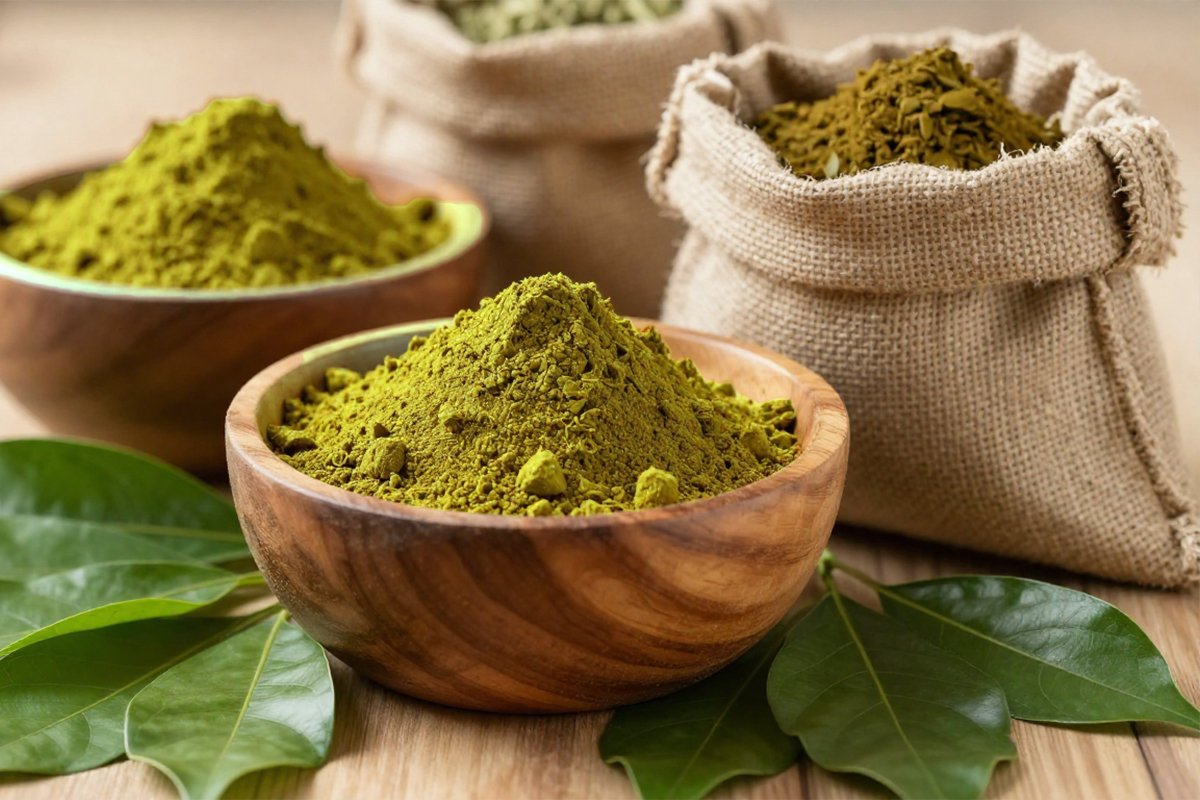
Color is another indicator. Fresh, high-quality henna powder has a distinctly green color, almost like dried green tea. If the powder looks brownish, yellowish, or dull, it may be old stock, improperly stored, or adulterated.
And then there is purity. This is where things get serious. A significant portion of henna products in the global market contain adulterants. Some manufacturers add metallic salts to intensify color. Others mix in chemical dyes, fillers, or preservatives to cut costs. These additives can cause severe allergic reactions, chemical burns, and long-term skin damage in your customers.
Always ask for a lab test report. Any manufacturer worth partnering with will conduct batch testing and provide certificates showing the product is free from harmful additives. If they cannot produce these documents, do not place an order.
Pricing, MOQ, and the Reality of Wholesale Henna Powder
When you start reaching out to suppliers for wholesale henna powder, you will quickly notice a wide range of prices. Some will quote you far below market rate. Others will seem expensive by comparison. Neither extreme is automatically right or wrong, but both deserve scrutiny.
Extremely low prices usually signal one of three things — inferior raw material, adulterated product, or a trader selling old stock at a discount. Extremely high prices do not always guarantee superior quality either. The key is understanding what drives the price.
Ask manufacturers to break down their pricing. What grade of henna are they using? What is the harvest season of the batch? What processing steps are included? What packaging is standard? Is the price inclusive of export documentation?
When it comes to minimum order quantities, most Indian manufacturers dealing in wholesale henna powder set their MOQ somewhere between 50 kilograms and 500 kilograms for standard orders. Some large exporters require much higher minimums. If you are just starting out, look specifically for manufacturers who offer trial or sample orders at a smaller quantity so you can verify quality before committing to large volumes.
Do not be embarrassed to negotiate. Indian business culture generally expects some negotiation, and most manufacturers build a margin into their initial quotes. However, negotiate on value and terms, not just raw price. A slightly higher price from a reliable, well-certified manufacturer is almost always a better deal in the long run than a cheap price from an unreliable one.
Certifications That Actually Matter
International buyers often ask about certifications, and rightly so. Here are the ones that carry real weight when evaluating henna manufacturers in India.
ISO 9001 certification tells you a manufacturer has a documented quality management system. It does not guarantee product quality on its own, but it shows the company takes systematic quality control seriously.
GMP, or Good Manufacturing Practice, certification is particularly important for cosmetic-grade henna products. It tells you the facility maintains hygiene standards, controlled production environments, and proper documentation.
USDA Organic or EU Organic certification matters if you are selling into natural or organic product markets. These certifications require independent third-party audits of the entire supply chain from farm to finished product.
HALAL and KOSHER certifications may be relevant depending on your target market, especially for the Middle Eastern and North American markets.
APEDA registration, which stands for Agricultural and Processed Food Products Export Development Authority, is a government-backed credential that adds legitimacy to an Indian exporter’s profile.
Private Labeling — Building Your Brand with the Right Partner
If you want to sell henna products under your own brand name, private labeling is the route you need. Many serious henna manufacturers in India offer complete private label services, and this is where a long-term manufacturing partnership really pays off.
A good private label manufacturer will work with you on packaging design, label printing, product formulation, and even product line extension. They can develop custom blends — henna mixed with amla, brahmi, shikakai, or other natural herbs — that become signature products unique to your brand.
When evaluating a manufacturer for private label work, ask to see samples of packaging they have done for other clients. Check the print quality, the material quality, and the accuracy of the information on the label. Your brand’s image depends on these details.
Also clarify the lead time for private label orders. Custom packaging takes longer than standard orders. A typical private label run involving custom printed packaging can take between three and six weeks from order confirmation to dispatch, sometimes longer depending on the order size and complexity.
How to Verify a Manufacturer Before You Commit
Here is a practical step-by-step approach that will protect your business before you send any money.
Start by requesting a sample of the specific product you want to order. Pay for the sample if needed — good manufacturers charge a nominal sample fee because their product has real value. Test that sample thoroughly. Check the color, the texture, the stain quality on skin, and if possible get an independent lab test done.
Next, verify the manufacturer’s business registration. Ask for their GST number, IEC code (Import Export Code), and any relevant certifications. Cross-check these on India’s official government portals. Legitimate businesses will have no issue providing this information.
If your order is significant, consider visiting the facility in person or hiring a local inspection agency to do a factory audit on your behalf. Agencies like Bureau Veritas and SGS offer factory audit services in India at reasonable cost.
Ask for at least two or three references from existing international clients. Reach out to those references directly and ask specific questions — about quality consistency, communication, delivery timelines, and how the manufacturer handled any problems that arose.
Finally, start with a smaller trial order before committing to a large contract. Even if you are confident in a manufacturer after your research, a trial order removes the last layer of risk and builds the relationship gradually.
Common Mistakes Businesses Make When Sourcing From India
After everything discussed above, it is worth naming some patterns that consistently trip up new buyers.
Choosing purely on price is the most common mistake. Henna is an agricultural product with real variation in quality. Cutting corners on price almost always means cutting corners on the product your customers receive.
Skipping the sample stage is another. No matter how professional a manufacturer looks on paper, you must test the actual product before committing.
Many buyers underestimate the importance of communication quality. If a manufacturer takes days to respond to emails, sends vague answers, or seems confused by basic questions during the sales process, that experience will not improve once they have your money.
Over-ordering on a first purchase is also a trap. Even if the unit price drops significantly at higher volumes, the risk of being stuck with a large inventory of unsatisfactory product outweighs the savings.
Final Thoughts
Finding the right henna manufacturer in India is not a one-day task. It takes research, patience, and a willingness to ask hard questions. But when you find the right partner — one with genuine manufacturing capability, solid quality control, transparent communication, and the capacity to grow with your business — it becomes one of the most valuable relationships your company has.
India’s henna industry is world-class. The raw material is exceptional, the knowledge runs deep, and the export infrastructure is well established. Your job is simply to find the manufacturer within that industry who deserves your business.
Take your time. Do your homework. Start small. Build trust.
That is how you build something that lasts.