
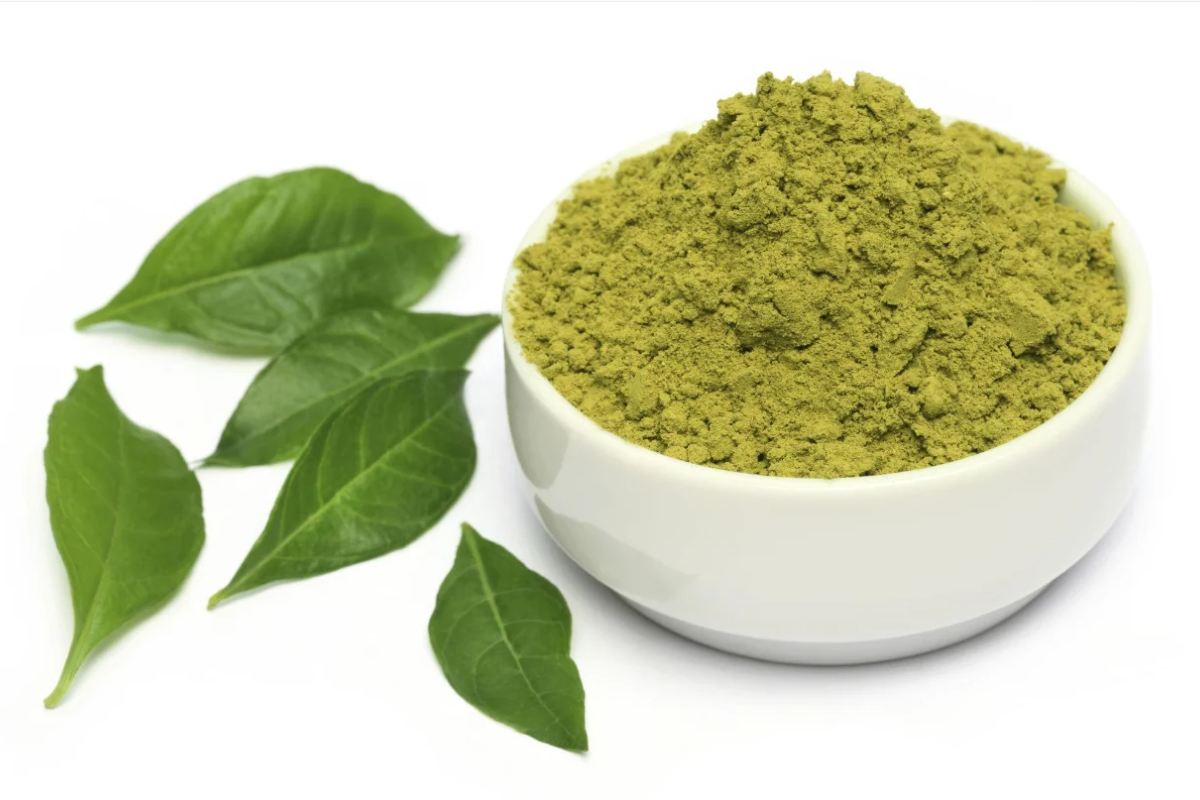
The Bulk Henna Powder Buyer’s Checklist: What US, Canadian and UK Importers Should Check Before Choosing a Supplier
Why can the same green powder be a lawful hair colorant in one shipment and an adulterated cosmetic in the next? The answer sits in a short fact sheet from the US Food and Drug Administration: henna is approved only as a hair dye, not for direct application to the skin, as in the body-art tradition known as mehndi.
That one line has real consequences. The agency says an unapproved use of a color additive makes a product adulterated, and an import alert is in effect for henna intended for use on the skin. The plant, Lawsonia inermis, is the same either way. What changes is the stated use, the paperwork and the importer’s exposure. So when a buyer searches for a henna powder manufacturer USA companies can trust, the useful question is not “Who is closest?” but “Who can document what is in the sack and what it is meant for?”
A dependable henna powder manufacturer, USA buyers can rely on names for the plant, the growing region and the mill. It supplies a batch-specific certificate of analysis with heavy-metal and microbial results, can show the powder is free of added dyes such as PPD and metallic salts, and understands the cosmetic rules of your destination: FDA in the US, Health Canada, and OPSS in Great Britain. Price is the last line of the checklist, not the first.
What Does “Henna Powder Manufacturer USA” Actually Mean?
Searching this phrase surfaces three very different kinds of company, and mixing them up is a classic sourcing mistake. A US address tells you where the invoice comes from. It does not tell you where the leaf grew or who milled it.
| Type of company | What it actually does | What to ask |
| Local blender or packer | Buys powder and repacks or blends it into retail formats | Who grew and milled the leaf? Can you see the origin mill’s test report? |
| Importer-distributor | Holds imported stock and resells it in smaller lots. | Who is the legal importer, and what do you test on arrival? |
| Origin manufacturer-exporter | Turns leaf into powder at its own mill and ships overseas | Which farms and which mill? Can I see the process on video or in person? |
None of these is automatically better. Local stockists can answer questions about delivery times; origin manufacturers can answer questions about the leaf itself. A warehouse can be brilliant at logistics and still have no idea which field its stock came from, so ask both kinds of question.
The Bulk Buyer’s Checklist: Seven Things to Verify Before You Order
Step 1: Confirm the plant and the intended use.
Ask for the botanical name in writing, Lawsonia inermis, and tell the supplier exactly what you plan to make: a hair color, a henna-based hair product or a body-art product. In the US, the intended use changes the legal picture, as the opening showed. A supplier who shrugs at this question is already answering a different one.
Good suppliers ask it first. One manufacturer’s product page, for instance, tells buyers to specify the intended application when requesting a product, and to state the target country so that packaging and documents can be matched to it.
Step 2: Ask for a batch-specific certificate of analysis.
A certificate of analysis (COA) is a lab report tied to one production batch, not a brochure. Ask that it cover heavy metal testing and microbiological results, and ask whether dye content is measured. A review in the Society of Cosmetic Chemists’ library notes that lawson content varies from batch to batch, which is why HPLC testing is how colorists predict the outcome.
Documents like these are often listed on supplier pages. This organic henna powder page, for example, lists a COA, heavy metal and microbiological testing, a specification sheet, ingredient information and batch documentation as available according to the product specification and the buyer’s requirements. Use that kind of list as your template, then insist on the real documents for your actual batch.
Step 3: Rule out added dyes and metallic salts
The FDA states that the only legal use of PPD in cosmetics is as a hair dye and that so-called black henna may contain it. Natural henna stains in the red, orange and brown range. A powder promising jet black in a single step is not showing off; it is probably borrowing from a chemistry set.
Real dark shades come from layering. A published review in the same cosmetic chemists’ library says pure henna, indigo powder and cassia, in different proportions, can reach the full range of human hair color. The same review gives compound henna, which carries mineral or metallic salts, a justifiably poor reputation. Ask for a single-ingredient declaration and test results that screen for added dyes.
Step 4: Inspect the mill, not just the brochure.
Ask how the leaf is harvested, dried, milled and sifted, and whether every bag carries a batch code that matches the COA. Fine sifting matters for texture: some manufacturers advertise triple-sifted powder, so ask what that means in practice and how it is checked.
Origin also deserves a question. Sojat in Rajasthan is one of the established henna-growing regions, and one manufacturer’s write-up on Sojat-grown henna and what a reliable mill should do argues that dry climate and soil, careful drying and fine milling without overheating all shape the final color. You do not have to accept any single supplier’s argument; use the questions it raises.
Packaging is the quiet half of quality. The same cosmetic chemists’ review recommends double-wall packaging for powders that must stay in condition for years, and says henna should be kept under about 90°F (32°C) to hold its dye quality. A summer container is a long wait, so ask how bags are protected on a sea voyage.
Step 5: Order a sample before you order a pallet
Request a sample from the production batch you would actually buy, not a hand-picked jar. Check texture, smell and how smoothly it mixes, then test color release on a hair swatch. Keep the sample and its batch number so you can compare the first bulk delivery against it.
Patch testing belongs in your own process too. The FDA reminds consumers that a patch test on a small area of skin is standard advice for hair-dye products, and your product instructions should say so.
Step 6: Plan packaging and private label early.
Decide formats before you finalize the price. The product page mentioned above lists retail pouches of 100 g, 500 g and 1 kg and bulk packs of 20 to 25 kg, with custom printed packaging for private-label work. Hypothetically, a 1,000 kg order in 25 kg bags is forty bags, so ask how they are palletised and whether each one carries a batch code.
If you are still comparing sources, it helps to see how a manufacturer lays out its range, packaging and private label henna options in one place. This henna and herbal hair color supplier’s site shows one approach, including OEM services and factory photos, which is a handy benchmark for the questions you ask others.
Step 7: Confirm who handles compliance in your market
A supplier can hand you good paperwork and still leave you holding the filings. The next three sections show what each market expects from the party that puts the product on shelves.
Selling in the US: What to Expect From Any Henna Powder Manufacturer USA Buyers Consider
Cosmetics are not pre-approved by the FDA, with one exception: color additives. That is exactly why the hair-dye-only status of henna matters. Beyond that, the Modernisation of Cosmetics Regulation Act (MoCRA) added facility registration and product listing duties. The “responsible person”, meaning the manufacturer, packer or distributor named on the label, lists each product with FDA, and foreign manufacturing facilities must register as well.
MoCRA also requires safety substantiation and serious adverse event reporting, and it gives FDA mandatory recall authority. Small businesses averaging under roughly $1 million in annual US cosmetic sales are generally exempt from registration and listing, but the exemptions carry exclusions, so confirm your own status with a regulatory adviser rather than assuming.
Manufacturing rules are still moving. Trade coverage in 2026 indicated that the FDA had missed its statutory dates for final good manufacturing practice rules for cosmetics. Check FDA’s current position, and ask suppliers how they document batches today, whatever the final rule says.
Then there is the money question. US duty treatment of imported goods has changed repeatedly since April 2025, including a Supreme Court ruling in February 2026 and replacement surcharges, and published sources disagree about where things stand. Ask for quotes on a clearly stated Incoterm, and have your customs broker confirm duty on the day you order.
Importing Into Canada: Choosing a Henna Powder Manufacturer Canada Importers Can Work With
Canada has no pre-market approval for cosmetics, but it does have a notification system. Every cosmetic must be reported to Health Canada through the Cosmetic Notification Form (CNF) within 10 days after it is first sold and updated within 10 days if details change. A product that is not notified can be refused entry or removed from sale. Notification is not approval; the manufacturer or importer stays responsible for safety.
The formula must also be checked against Health Canada’s Cosmetic Ingredient Hotlist, which lists prohibited and restricted substances. A single-ingredient henna powder has little to trip over, but a blend of henna, indigo and other botanicals needs a line-by-line check.
Language is the other practical hurdle. Labels must carry key information, including the ingredient list, in both English and French. When you brief a henna powder manufacturer, Canada buyers can rely on it. Send the French copy early so printed pouches are not held up at the artwork stage. Also ask the supplier for INCI ingredient names, because the CNF asks for a full ingredient list in that format.
Importing Into Great Britain: Choosing a Henna Powder Manufacturer UK Importers Can Work With
Great Britain asks for a named person. Before a cosmetic is placed on the market, a responsible person established in the UK must hold a Cosmetic Product Safety Report and a Product Information File in English and must notify the product through the Submit Cosmetic Product Notification (SCPN) service run by OPSS. The file is kept for 10 years after the last batch. An importer from outside the UK generally becomes the Responsible Person unless the manufacturer appoints one.
Northern Ireland follows a different path, generally following EU rules with CPNP notification instead of SCPN. The system is busy: OPSS reported 861,686 notifications from 24,112 Responsible Persons as of 28 May 2026. Your importer will not be the first to walk this road, and it should not be improvising.
For a henna powder manufacturer UK buyers can use, the supplier’s COA, ingredient statement and batch records feed straight into the safety report. Ask for them in English, with the importer’s details matching the paperwork.
| United States | Canada | Great Britain | |
| Regulator | FDA | Health Canada | OPSS |
| Key filing | Facility registration and product listing (MoCRA) | Cosmetic Notification Form within 10 days of first sale | SCPN notification before sale |
| Accountable party | Responsible person named on the label | Manufacturer or importer | UK-established Responsible Person |
| Safety records | Safety substantiation | Safety evidence on file, hotlist check | Safety report and product file in English |
| Label language | English | English and French | English |
This table is a summary for orientation only; confirm each point with a qualified regulatory adviser before your first shipment.
Wholesale Henna Powder: Commercial Terms Worth Locking Down
Good paperwork is half the deal. The other half is how wholesale henna powder is quoted, shipped and replaced when something goes wrong. Before you sign, get these in writing:
- Minimum order quantity (MOQ) for bulk and for private label, which are often different numbers.
- Lead time from confirmed order to ex-works date, and what happens if the leaf crop is late.
- Incoterm: FOB means you take over once goods are loaded at the origin port, while DDP means the seller delivers and pays the duties.
- Shelf life or retest date printed on the pack and how the powder should be stored.
- Batch traceability: the lot number on the carton should match the lot on the COA.
- Sample and resupply policy, including what you can do if the first delivery does not match the approved sample.
Notice that none of this is about the lowest price per kilo. A cheap quote with a missing incoterm is only cheap until the invoice from your freight forwarder arrives.
Organic Henna Powder Suppliers: What “Organic” Does and Doesn’t Prove
Few words on a label do more work than “organic”, and few are checked less. According to the FDA, it does not define or regulate the term as it applies to cosmetics. The US Department of Agriculture regulates organic claims for agricultural products, and a cosmetic that is certified to the National Organic Program standard can carry the claim. A cosmetic with an organic claim must comply with both USDA rules for the claim and FDA rules for labelling and safety. Private standards, such as NSF/ANSI 305, also exist.
So when you vet organic henna powder suppliers, ask for the certificate rather than the adjective. Check the certifier’s name, that the scope covers the actual product and facility, the validity dates, and a document tying the certificate to your specific lot. Rules for “organic” cosmetic claims differ by country, so check your own market before printing it on a pouch.
Two more points. “Chemical-free” and “organic” are different claims, and each needs its own evidence. And organic status does not replace heavy-metal or microbial testing; a clean field can still meet a dirty mill.
Red Flags That Should Pause the Order
- A “henna” powder that dyes jet black, or a price that seems to ignore the cost of a leaf.
- A COA with no batch number, no date or no named laboratory.
- No clear answer when you state the intended use.
- An ingredient list that says “henna” plus unnamed “natural ingredients”.
- Refusal to send a sample from the production batch.
- An organic claim with no certifier named.
- A quote that leaves out the Incoterm.
Frequently Asked Questions
Q: Is it legal to import henna powder for hair colour into the US?
A: FDA says natural henna is approved only for use as a hair dye, not for direct application to the skin. That means the intended use, hair colour or skin matters. An import alert is in effect for henna intended for use on the skin, so state the purpose clearly with your henna powder manufacturer and USA supplier and on your documents.
Q: Do I need MoCRA registration and product listing as a henna importer?
A: Under MoCRA, the responsible person lists each cosmetic product with the FDA, and foreign facilities must be registered. A small-business exemption exists for businesses with under roughly $1 million in average annual US cosmetic sales, with exclusions. Confirm your position with a regulatory adviser, and ask your supplier for the facility details you will need.
Q: What must a Canadian importer file for henna hair color?
A: Submit a Cosmetic Notification Form to Health Canada within 10 days of the first sale, and update it within 10 days of any change. Check the formula against the Cosmetic Ingredient Hotlist and prepare labels in English and French. Brief your henna powder manufacturer in Canada early so artwork is ready.
Q: Do I need a Responsible Person to sell henna powder in the UK?
A: Yes. Cosmetics placed on the Great Britain market need a UK-established responsible person who holds the safety report and product information file and notifies SCPN before the product is sold. Northern Ireland generally follows EU rules with CPNP notification. Any henna powder manufacturer UK importer works with should supply English documents.
Q: What is the difference between henna, black henna and compound henna?
A: Pure henna is ground. Lawsonia inermis leaf and gives red to brown tones. “Black henna” often means henna mixed with PPD, which the FDA says can cause allergic reactions. Compound henna contains metallic or mineral salts. Ask for a single-ingredient declaration and test results.
Q: How should I read tariff quotes for wholesale henna powder?
A: Treat every quote as provisional until the Incoterm is clear. US duty treatment of imports has changed several times since April 2025, and sources disagree about the current position. Ask your customs broker to confirm duty on the day you order wholesale henna powder, rather than relying on a figure from months ago.
Q: What documents should organic henna powder suppliers provide?
A: Request a batch-specific certificate of analysis, a specification sheet, ingredient information, heavy-metal and microbiological results, and the organic certificate with certifier name, scope and dates. Because the term is regulated differently across markets, ask how organic henna powder suppliers support the claim in your country.
Q: Can one supplier serve the US, Canada and the UK together?
A: The product and its test reports can be the same, but the filings are not. The US needs a listing by the responsible person, Canada needs a notification within 10 days of the first sale, and Great Britain needs a UK-based responsible person with SCPN notification. Ask the supplier to tailor documents and labels to each destination.
The Checklist in One Breath
Henna looks simple, which is why the paperwork around it is easy to underestimate. Before you settle on a henna powder manufacturer, USA importers can defend their own customers, verify the plant and the intended use, demand a batch-specific COA, rule out added dyes and metallic salts, sample from the real batch, lock down Incoterms and confirm who files what in your market. A supplier who replies with documents instead of adjectives has already passed the hardest test.
Print the seven steps, send them to every candidate and compare the answers side by side. This article is general information, not legal advice, and rules and tariffs change, so confirm current requirements with a regulatory specialist before your first order.