
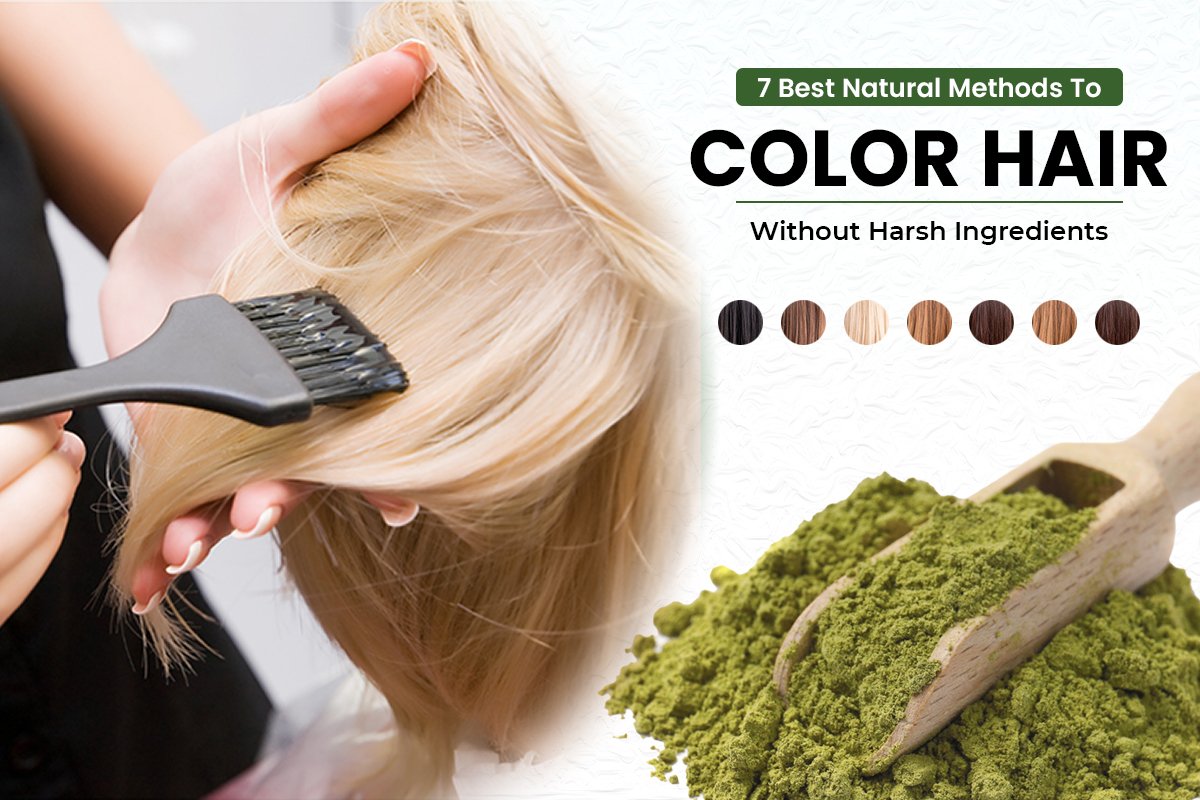
7 Best Natural Methods to Color Hair Without Harsh Ingredients — What Actually Works in France
Walk into any pharmacy in Paris or Lyon today. The shelf of hair dye boxes still looks the same. But the questions people ask have changed completely. Is there ammonia in this? Does it have PPD? What happens to my scalp after ten years of this? These are real concerns — and they are pushing buyers across France toward something older, simpler, and frankly better for their hair.
The good news? Natural hair color manufacturers have been quietly building a world-class supply chain for exactly this moment. Plant-based dyes are no longer a niche. They are a growing category with serious demand — and the results, when done right, are genuinely impressive.
This guide breaks down seven of the best natural methods to color hair without harsh ingredients. Each one is backed by real plant chemistry. And at the end, there is a case study on how certified hair dye manufacturers are supplying these ingredients to brands, salons, and importers across France and the EU.
Why French Consumers Are Done With Chemical Dyes
France has some of the strictest cosmetic regulations in the world. Even so, many conventional hair dyes still contain ingredients that dermatologists flag regularly — PPD, resorcinol, hydrogen peroxide at high concentrations, and various synthetic preservatives. These are not banned. But they are increasingly questioned.
Allergic reactions to PPD alone affect a significant portion of regular hair dye users in Europe. Some reactions are mild. Others are not. Salons in major French cities report a clear uptick in clients asking for ammonia-free and fully plant-based options — not just low-chemical, but genuinely natural.
And then there is the quality angle. According to clean beauty research across European markets, French consumers rank ingredient transparency as the top factor when switching hair care brands. They are not just avoiding harm. They are actively choosing better.
That is the context behind everything in this guide.
1. Henna — The One That Actually Stains
Let’s start with the obvious one. Henna hair color has been used for over 5,000 years. That is not a marketing claim — it is documented history. The plant is Lawsonia inermis. Its dried, powdered leaves contain a molecule called lawsone. When that molecule meets the keratin protein in your hair, it binds. Not coats — bonds. That is why henna lasts four to six weeks and fades gradually rather than washing out overnight.
The color result depends heavily on your starting hair color. On medium brown hair, expect a warm auburn or chestnut. On gray or white hair, the result is a vivid copper-red. On very dark hair, the effect is more of a reddish sheen in sunlight.
One thing worth knowing — henna also strengthens hair. The lawsone molecule fills in gaps in the hair shaft as it binds. Users consistently report less breakage and more shine after regular henna use. It colors and treats at the same time. No chemical dye does that.
Buying tip: Only buy henna that lists Lawsonia inermis as the sole ingredient. Any product labeled “black henna” almost certainly contains PPD — which is a chemical, not a plant. Genuine black results come from combining henna with indigo, not from a single product.
For sourcing certified pure powder, trusted henna suppliers who grow and process their own raw material — like those based in Sojat, Rajasthan — are the most reliable option for bulk buyers and private-label brands in France.
2. Indigo Powder — Nature’s Answer to Dark Brown and Black
Indigo is the second plant in the natural colorist’s toolkit. And it is genuinely underappreciated. The plant — Indigofera tinctoria — produces a deep blue pigment when its leaves are processed and dried. Applied directly to hair, it creates a blue-black tone. Layered over a henna base, it produces rich browns and natural blacks.
The two-step process works like this. Apply henna first. Leave it for one to two hours, then rinse. While the henna is still fresh in the hair — within 24 hours is ideal — apply the indigo paste. Leave that for 45 to 60 minutes. The result is a deep, natural black or dark brown depending on how long each step is held.
This is the method used by millions of people across South Asia, the Middle East, and increasingly, Europe. No ammonia. No peroxide. No synthetic pigment. Just two plants working together.
Brands and importers looking to offer this combination can learn about sourcing from certified henna manufacturers who supply both powders under one roof — which simplifies logistics and quality control enormously.
3. Herbal Hair Color Blends — More Than Just Color
This is where natural hair color gets interesting for private-label brands. Beyond henna and indigo, there is a whole category of multi-plant formulations that blend several Ayurvedic herbs together. The result is a product that colors, conditions, and treats the scalp simultaneously.
Common herbs in these blends and what they actually do:
- Amla (Indian gooseberry): Deepens color, adds intense shine, and is loaded with Vitamin C — great for scalp health.
- Bhringraj: Known as the “king of herbs” for hair. Stimulates growth and reduces premature graying.
- Shikakai: A natural cleanser that helps color distribute evenly and stick longer.
- Brahmi: Strengthens roots, calms the scalp, and reduces hair fall.
- Neem: Antibacterial and antifungal — keeps the scalp environment healthy between treatments.
These blends can be customized for different shades — from light brown to dark black — by adjusting the henna-to-indigo ratio and the supporting herb mix. For brands that want to go deeper into this category, the herbal hair dye insights on KEO’s export blog cover formulation trends and what EU buyers are currently requesting.
The category of herbal hair color is not just growing — it is becoming a serious revenue line for salons and brands that position themselves around clean ingredients.
4. Cassia Obovata — The Overlooked Conditioning Treatment
Ask most people about cassia and they will not know what it is. That is a shame because it is one of the most useful plants in natural hair care. Cassia obovata is sometimes called “neutral henna.” The name is misleading — it is not from the henna plant family. But the application is similar and the benefits are real.
On dark hair, cassia adds no visible color. On light, gray, or white hair, it gives a soft golden warmth. But color is almost secondary here. What cassia really does is condition. Deeply. It fills in damage along the hair shaft, reduces frizz, and adds a kind of body and bounce that chemical treatments often strip away.
Many formulators mix cassia into henna blends at a 50/50 ratio. The result is a warmer, softer auburn — less intense than pure henna — with significantly enhanced conditioning. For clients in France who love the idea of henna but find pure red too bold, a cassia-henna blend is often the perfect middle ground.
5. Coffee and Black Tea — The Weekly Rinse That Actually Works
Not every natural method needs to come from a specialist supplier. Coffee and black tea are sitting in most French kitchens right now. And they work — within limits.
Brew a very strong batch. Double or triple the normal strength. Let it cool to warm. Apply it generously to clean, damp hair and leave it for 20 to 30 minutes before rinsing. The tannins in black tea help with temporary darkening and also reduce shedding. Coffee adds warmth and a subtle depth to brown shades.
This is not a replacement for henna. The effect is mild and temporary — it washes out within a few shampoos. But as a weekly maintenance rinse between natural color treatments, it extends the depth and richness of the color noticeably. French brunettes in particular swear by it.
6. Chamomile and Lemon — For Those Going Lighter
Not everyone wants to go darker. For clients with naturally light brown or blonde hair who want to brighten their shade without bleach, chamomile and lemon are the two most accessible options.
Chamomile tea — brewed strong, cooled, applied as a rinse before sun exposure — gradually brightens hair over several weeks. The flavonoids in chamomile flowers act as mild pigment activators when combined with UV light. The effect is subtle and builds over time. No damage. No harsh chemicals. Just a slow, natural lightening that looks genuinely sun-kissed.
Lemon juice works more aggressively. It is more acidic and dries the hair shaft if overused. Always follow a lemon treatment with a good conditioning mask. Used sparingly — once every two weeks — it adds noticeable brightness to lighter hair shades.
For French salons: A chamomile rinse service is a low-cost, high-margin add-on for blonde clients. It requires no specialist ingredients and pairs well with a natural conditioning treatment.
7. Beetroot and Carrot Juice — Temporary, Fun, and Fully Safe
These two deserve a mention not because they are long-lasting — they are not — but because they are completely safe, genuinely nourishing, and surprisingly effective for a temporary boost.
Beetroot juice creates a deep red-pink tint that shows up beautifully on lighter hair. Carrot juice gives a warm amber-orange tone. Mix either with a carrier oil — coconut or olive both work well — apply to hair, wrap in a towel, leave for 45 to 60 minutes, then rinse. The color fades within three to five washes.
This method is popular for special occasions, for clients exploring color for the first time, or for anyone whose scalp is too sensitive for even plant-based dyes. Entirely food-safe. Zero risk. And the vitamins in both juices actually benefit the hair and scalp during the treatment.
Case Study: How Kirpal Export Overseas Supplies France and the EU
Real-world example — Kirpal Export Overseas (KEO), Rajasthan, India
Kirpal Export Overseas was founded around 2000 by Mr. Sunil Walia and Vice-President Mrs. Payal Walia. Based in Rajasthan — the heartland of global henna production — KEO has spent over 25 years building a vertically integrated supply chain for henna hair dye, indigo powder, and herbal hair color blends.
What makes KEO different from a typical commodity exporter? They own their farms. Buyers can trace the henna they receive back to a specific field, harvested at a specific time. That level of traceability is not common — and for EU buyers dealing with cosmetics regulations, it matters enormously.
KEO holds ISO, GMP, and HALAL certifications. Their packaging uses active technology to preserve lawsone potency during long transit — a real concern for shipments heading to France, where the journey from Rajasthan can take three to four weeks by sea freight.
For brands that want their own product line, KEO offers full OEM and private-label manufacturing. Custom formulas, custom packaging, export documentation — all handled by one team. This is how many mid-sized European hair care brands are entering the natural color space without building their own production.
The challenges of running a henna export business are also very real. This firsthand account of how a henna exporter navigated a tariff crisis gives an honest picture of what this industry actually looks like on the ground.
What to Look for When Choosing a Natural Hair Color Supplier
For salon owners, distributors, and private-label brands in France, supplier selection is where everything either goes right or wrong. Here is what actually matters:
- Farm-level traceability: Can the supplier show you where the raw material comes from? Photos, batch records, and farm documentation are the gold standard.
- Certifications: ISO and GMP are the minimum for EU cosmetics compliance. HALAL certification opens additional markets.
- Active packaging: Henna loses potency when exposed to air or heat. Proper packaging is not optional — it is the difference between vibrant color results and flat, disappointing ones.
- OEM flexibility: Can they formulate to your specification? Can they produce under your label with full documentation?
- Sample policy: Any serious supplier will send samples before a bulk order. If they won’t, that is a red flag.
Verified directories like henna manufacturers listings and platforms like henna supplier networks allow buyers to compare certified exporters before committing to a partnership.
Matching the Right Shade to the Right Skin Tone
Ingredient safety is one thing. Getting the color right is another. Warm copper and auburn henna tones work beautifully on olive, golden, and medium-dark complexions. Cool indigo-based blacks suit neutral to cool undertones. Herbal blends can be fine-tuned to hit specific shades in between.
For a detailed breakdown of how to match plant-based shades to different skin undertones, this guide is worth reading: 7 Best Hair Colors by Skin Undertone — A Manufacturer’s Perspective. It is practical, specific, and written for both consumers and professionals.
Side-by-Side: All 7 Methods Compared
| Method | Shade Range | How Long It Lasts | Chemical-Free |
| Henna | Auburn, copper, red | 4–6 weeks | Yes |
| Henna + Indigo | Brown, dark brown, black | 4–6 weeks | Yes |
| Herbal blends | Wide range, customizable | Semi-permanent | Yes |
| Cassia | Golden / conditioning only on dark hair | Temporary to semi | Yes |
| Coffee / Tea | Deeper brown | Washes out in 3–5 shampoos | Yes |
| Chamomile / Lemon | Golden, lighter | Temporary, builds over weeks | Yes |
| Beetroot / Carrot | Pink-red, warm orange | 3–5 washes | Yes |
Frequently Asked Questions
Q1. Is henna safe for all hair types including color-treated hair?
Pure henna is safe for most hair types. The one situation to be careful about is hair that has been treated with metallic dyes — a reaction can occur when lawsone meets certain metal compounds. For chemically bleached or permanently waved hair, a patch test is always a good idea. Pure organic henna powder with zero additives carries the lowest risk of any reaction.
Q2. How does the two-step henna-indigo method work for gray coverage?
Gray hair has no competing pigment, so it takes color very vividly. Henna applied to gray produces bright copper. Indigo applied over that henna base pulls the color into brown or black, depending on how long each step is held. The result is rich, natural-looking coverage that grows out gracefully — no harsh regrowth line like synthetic dye.
Q3. Can French importers get EU-compliant documentation from Indian henna manufacturers?
Yes, but only from certified manufacturers. Look for ISO, GMP, and HALAL certifications alongside a full MSDS and Certificate of Analysis. These documents are required for EU Cosmetics Regulation (EC No 1223/2009) compliance. Reputable henna manufacturers who export regularly to Europe will have all of this ready.
Q4. What is the shelf life of natural henna powder and how should it be stored?
High-quality henna powder has a shelf life of 18 to 24 months when stored correctly — sealed, away from direct sunlight, in a cool and dry environment. Active packaging from a good supplier slows down lawsone degradation significantly. Powder that has gone off loses its staining ability and turns a dull olive-brown rather than the bright green-brown of fresh henna.
Q5. What is the difference between henna hair color and a herbal hair color blend?
Pure henna is a single plant — one ingredient, one color result. A herbal hair color blend combines henna with indigo, amla, brahmi, shikakai, and other botanicals. The blend gives a wider shade range and adds scalp and hair benefits that pure henna alone does not provide. For premium salon offerings, a custom herbal blend is almost always the better product.
Q6. Can a French brand launch its own henna or herbal hair color line without manufacturing in-house?
Absolutely. This is exactly what OEM and private-label services are for. A certified manufacturer handles the formulation, quality testing, packaging design, and export documentation. The French brand receives finished, labeled product ready for retail or salon distribution. Kirpal Export Overseas is one example of a manufacturer that offers this full service to European brands.
Q7. Are beetroot and carrot juice methods suitable for sensitive scalps?
Yes — these are among the gentlest options available. Both are food-grade ingredients with no known scalp irritants. They are ideal for clients with highly sensitive skin, allergy history, or those who are pregnant and cautious about any chemical exposure. The color result is temporary and mild, but the treatment itself is completely safe for all ages.
To Sum It Up
Chemical dyes are not going away. But the conversation around them has changed — and buyers in France are leading that change. The seven methods in this guide are not trends. They are time-tested, plant-based approaches that work. Some are semi-permanent. Some last three washes. All of them are free from the harsh ingredients that make conventional dyes so problematic for long-term use.
For professionals and brands sourcing ingredients, the supplier relationship is everything. Traceability, certifications, OEM flexibility, and honest communication about what the product can and cannot do — these are the things that separate a good supplier from a great one.
Start by exploring certified organic henna powder options from verified manufacturers. Request samples. Ask the right questions. The natural hair color market in France is growing fast — and the brands that build strong supplier relationships now will be the ones ahead of the curve in three years.