
Wholesale Henna Powder: Why Triple-Sifted Quality Sells Faster in the USA and Globally
Picture this. A salon owner in Houston orders wholesale henna powder from two different suppliers. One batch mixes into a lumpy, gritty paste. The other dissolves like silk, stains evenly, and leaves customers asking, “What brand is this?” She reorders the second one immediately — and never looks back.
That is not a made-up story. That is what happens every day in the global henna powder trade. And the one thing separating those two batches? How many times the powder was sifted before it was packed and shipped.
The Sifting Problem Nobody Talks About
Most people buying henna powder wholesale never ask about the sifting process. They check price, MOQ, shipping time — and that is about it. But experienced buyers, the ones who have been importing henna for years, always ask.
Raw henna leaves are dried and crushed into powder. That powder is rough at first. It has stem fragments, bark bits, uneven grain sizes. If a supplier skips proper sifting, all of that ends up in your product.
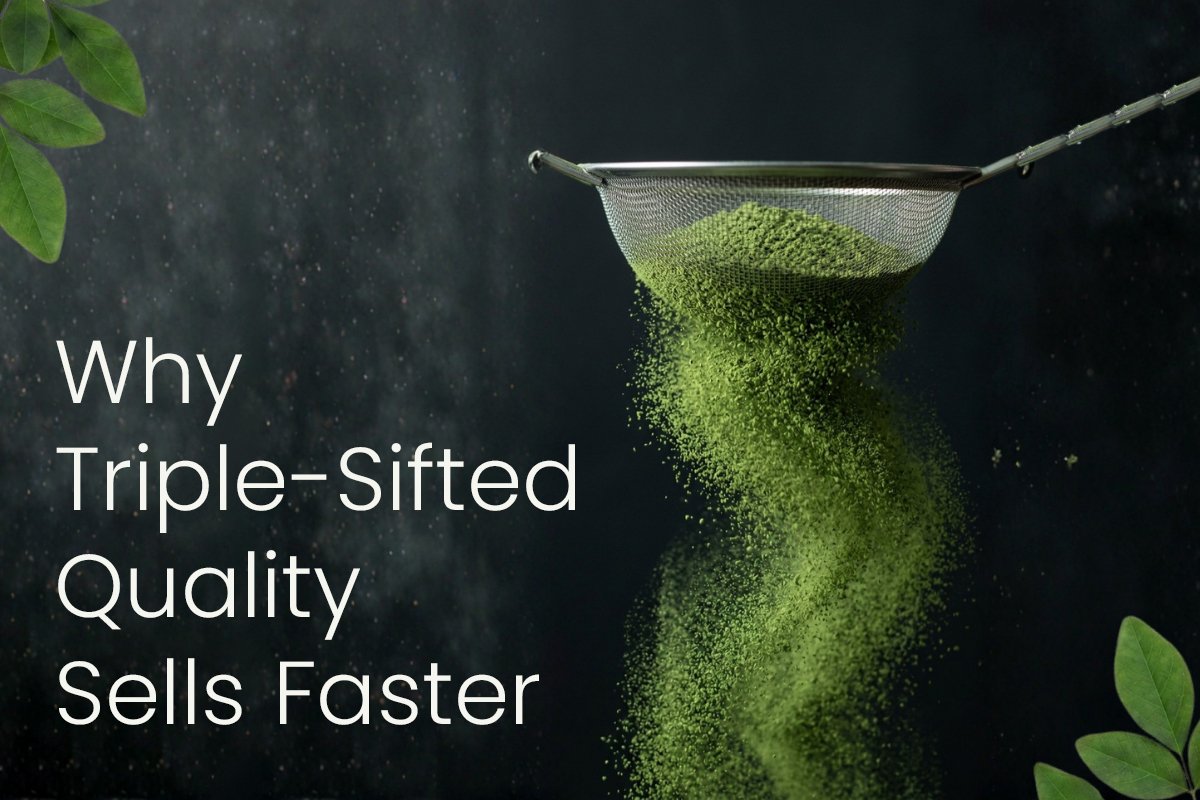
Triple-sifted henna powder goes through three separate mesh filters:
- The first pass removes the big stuff — stems, twigs, bark
- The second pass takes out medium-grain particles that cause grittiness
- The third pass brings everything down to a fine, consistent texture
After that third sift, the powder behaves completely differently. It mixes faster, sticks better, and releases more dye per gram. For anyone selling to salons, retailers, or launching their own brand, that difference shows up directly in customer reviews — and in reorder rates.
Why Buyers in the USA and Europe Have Started Paying Attention to This
A few years ago, most American buyers just wanted the cheapest henna powder they could find. That has changed. The natural hair care market has grown fast, especially in cities like New York, Los Angeles, Houston, and Chicago where South Asian diaspora communities and natural hair enthusiasts both drive demand.
Today, a beauty brand launching a natural hair color line in California cannot afford to sell a product that pastes unevenly or gives inconsistent color. Their customers will post reviews. Those reviews stick around. One bad batch can kill a product launch.
European buyers face the same pressure, sometimes more. In Germany and France, clean-label beauty is mainstream now. In the UK, henna-based hair products have a loyal following among both South Asian and British consumers. These buyers check ingredient sourcing, ask for lab reports, and want suppliers who can back up their quality claims with certifications.
That shift in buyer expectations is exactly why premium-grade Rajasthani henna powder — triple-sifted, certified, and properly documented — has become the standard that serious suppliers compete on.
If you want to understand what separates good suppliers from bad ones before placing a bulk order, this guide on finding reliable henna powder suppliers is worth reading first.
Why Sojat Is Still the Benchmark for Global Buyers
There are henna-growing regions in Egypt, Morocco, Pakistan, and parts of East Africa. But when serious buyers — importers in Dubai, procurement teams in Tokyo, private-label brands in Sydney — specify what they want, they almost always say the same thing: Sojat henna.
Sojat is a town in the Pali district of Rajasthan, India. The climate there is almost perfectly suited for henna cultivation — dry air, hot summers, and alkaline soil that helps the plant produce high concentrations of lawsone, the natural compound responsible for the reddish-brown dye.
Henna from Sojat typically has lawsone content between 2.5% and 3.5%. That might sound like a small number, but in the henna trade, it is the difference between a rich, deep stain and a washed-out result. Higher lawsone means better color payoff per gram — which means better value for the buyer and better results for the end user.
Sojat henna powder manufacturers have built a global reputation over decades. Buyers in the Middle East who need HALAL-certified henna, buyers in South Korea who want ultra-fine mesh powder, buyers in Russia who need large-volume consistent shipments — they all come to Sojat first.
How Kirpal Export Overseas Became a Reference Point in the Industry
Not every henna manufacturer in Rajasthan operates at the same level. Kirpal Export Overseas (KEO), founded around 2000 by Mr. Sunil Walia and led today alongside Vice-President Mrs. Payal Walia, built their reputation by solving problems that most small suppliers ignored.
Here is what made them different.
They Went Back to the Farm
Most henna trading companies buy from middlemen. KEO went directly to farms. They built relationships with growers in the Sojat region, documented their sourcing, and created a traceable supply chain. Buyers can see farm photos on the site. Some buyers have visited in person.
That kind of transparency is rare in commodity markets. And it matters a great deal to buyers in the USA and Europe who are increasingly required to show their own customers where ingredients come from.
They Built Quality Checks Into Every Stage
KEO’s processing follows GMP (Good Manufacturing Practice) standards. Each batch goes through moisture testing, color checks, and mesh-size verification. Their wholesale henna powder carries ISO, GMP, and HALAL certifications — three credentials that cover quality management, hygienic production, and compliance for Muslim-majority markets respectively.
For a buyer in the UAE or Saudi Arabia, a HALAL certificate is non-negotiable. For a brand in Germany, ISO documentation speeds up customs. For a salon chain in Australia, GMP signals professional-grade product. All three together mean fewer delays, fewer questions, and faster time-to-shelf.
They Made Private-Label Simple
One of the fastest-growing segments in the natural beauty market is private-label hair care. New brands — often launched by individual entrepreneurs or small beauty companies — want to put their name on henna-based hair products without building a manufacturing facility.
KEO handles the entire process: custom packaging design, label printing, sample production, and export-ready packaging that protects the powder from moisture and oxidation during shipping. Buyers in South Korea, China, Japan, and Australia have used this service to launch their own herbal hair color brands without starting from scratch.
They Expanded Beyond Henna
Smart buyers do not want to manage ten different suppliers. KEO built out a product range that lets one buyer source henna powder, indigo powder, henna-based hair colors, beard and eyebrow color, and a variety of Indian herb powders — all from one address.
That convenience has real value. It reduces shipping complexity, cuts down on customs paperwork, and makes quality control easier when everything comes from a single certified source.
Understanding Indigo Powder — the Other Half of Natural Hair Color
A lot of buyers who come looking for wholesale henna powder leave with an indigo order too. That is because these two powders work together to produce the full range of natural hair colors.
Pure henna gives orange to auburn tones. Add indigo powder to the mix and you can reach warm brown, dark brown, and — with a two-step process — a shade close to black. The ratio controls the shade:
- Mostly henna, a little indigo = warm chestnut brown
- Equal parts = medium brown
- More indigo than henna = dark brown
- Two-step application = near black
This is why indigo powder manufacturers in India often work alongside henna suppliers. Buyers launching a natural hair color brand need both, and they need both in consistent, tested grades.
For advice on matching shades to different customers, the guide on hair colors by skin undertone is a useful starting point.
What Different Markets Actually Need
The global henna powder wholesale market is not one uniform block. Each region has its own expectations, and a good henna supplier in India needs to understand those differences.
USA: Clean labels, organic certifications where possible, and private-label flexibility. American buyers also want responsive communication and clear import documentation. States like New Jersey, Texas, and California have the highest concentration of henna buyers.
Europe: REACH-aware sourcing documentation, eco-friendly packaging preferences, and batch-level traceability. UK buyers especially value consistency across orders.
Middle East: HALAL certification is mandatory for most buyers. High dye content is prioritized. Arabic labeling is often required for retail packaging.
Japan and South Korea: These markets care deeply about ultra-fine mesh and minimal natural odor. They also want precise lab documentation — certificates of analysis, heavy metal testing reports, and microbial test results.
Russia and CIS: Volume buyers. They want competitive pricing on large orders, reliable shipping timelines, and a consistent product grade across repeated orders.
Australia: Clean ingredient sourcing, TGA-aware documentation, and professional packaging. Australian buyers tend to be thorough in their vetting process.
China: Price sensitivity is higher, but documentation requirements for import are strict. Buyers often want CFDA-aware sourcing records and consistent batch quality.
A Practical Checklist Before You Place a Bulk Order
If you are sourcing wholesale henna powder for the first time — or switching suppliers — here is what experienced buyers check before committing:
About the product:
- Mesh fineness (200-mesh or higher for premium grade)
- Moisture content (below 10%)
- Lawsone dye content (ask for lab results)
- Color of dry powder (bright green means fresh; yellow-brown means old or poor quality)
- Triple or multi-sifted confirmation
About the supplier:
- ISO, GMP, HALAL certifications
- Farm-origin documentation or photos
- Sample availability before bulk commitment
- Track record with international exports
- Packaging options — bulk bags, retail packets, custom private-label
About the paperwork:
- Certificate of Analysis (COA)
- MSDS or safety data sheet
- Phytosanitary certificate for plant-based products
- Country of origin documentation
You can dig deeper into evaluating suppliers at herbalhaircolors.com, which covers how herbal hair color products are assessed by buyers and brands.
One More Thing People Ask About Henna
Buyers who are new to the category sometimes want to understand the plant itself before sourcing it commercially. One common question is whether henna leaves are edible or what other properties the plant has beyond hair and skin use. Understanding the plant helps buyers speak confidently to their own customers — and that knowledge builds trust at the retail level.
FAQs
What makes triple-sifted henna powder worth the higher price? The paste is smoother, the dye releases more evenly, and end-users get better results. That means fewer returns, better reviews, and higher repeat purchase rates for whoever is selling it.
How do I know if a supplier’s henna is really from Sojat? Ask for a certificate of origin and, if possible, farm-sourcing photos or documentation. Reputable sojat henna manufacturers will not hesitate to provide this.
What certifications should I look for when buying wholesale? ISO, GMP, and HALAL cover the core bases. For specific markets, you may also need COA, MSDS, and phytosanitary certificates.
Can I get custom packaging with my brand name? Yes. Most established wholesale henna powder manufacturers offer OEM and private-label services. Confirm this before sampling.
What mesh size is standard for premium henna powder? 200-mesh is the standard for premium-grade. Some suppliers offer 250-mesh for markets like Japan and South Korea where ultra-fine texture is expected.
Can I use henna and indigo together? Absolutely — and most professional natural hair color ranges are built on this combination. The ratio of henna to indigo powder determines the final shade.
The Bottom Line
The wholesale henna powder trade has matured. Buyers in the USA, Europe, Middle East, Japan, South Korea, Russia, Australia, and China are not just buying on price anymore. They are buying on quality, consistency, documentation, and supplier reliability.
Triple-sifted Sojat henna from a verified henna manufacturer in India like Kirpal Export Overseas gives buyers everything they need to sell confidently — and sell faster. The product works better, the documentation clears customs quicker, and the private-label option helps new brands get to market without the usual headaches.
That is why premium-grade henna does not sit in warehouses. It moves.
For more research on henna ingredients and market trends, explore: Google’s curated henna overview