
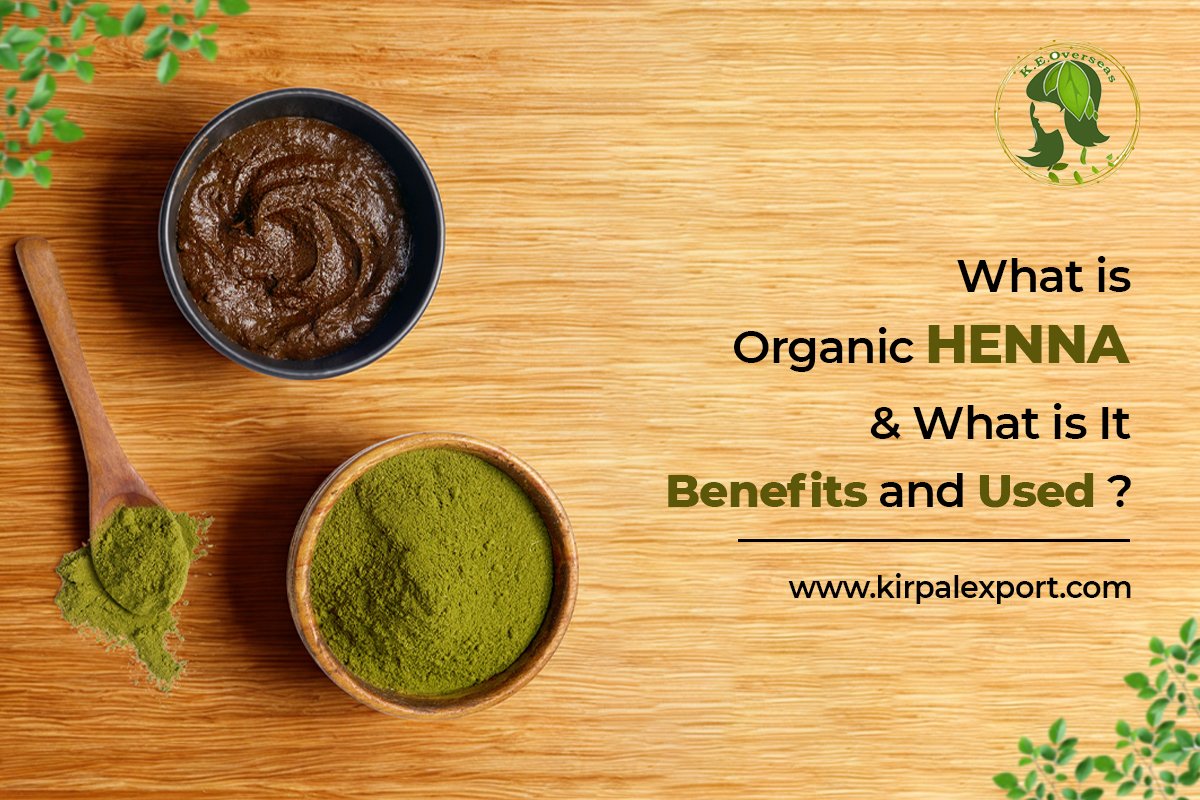
Organic henna powder is not a modern invention. It existed long before packaged cosmetics, branded hair colors, or beauty trends. In many parts of the world, henna leaves were simply grown, dried, and crushed at home. What people used back then is very close to what we now call organic henna powder.
At its core, organic henna powder comes from the leaves of the Lawsonia inermis plant. The leaves are harvested, dried slowly, and ground into powder. Nothing is added, nothing is removed. When this process is done correctly, the powder keeps its natural dye strength and herbal properties.
This is why the role of experienced henna manufacturers becomes important. The final result depends less on machines and more on how patiently the plant is handled from field to grinding.
What Makes Henna Powder Truly Organic
The word “organic” is often used loosely, but with henna powder, it has a very practical meaning. Organic henna powder is made from plants grown without chemical fertilizers or pesticides. The leaves are allowed to mature fully before harvesting, which directly affects color quality.
People who have used henna powder for years can usually recognize genuine material by touch and smell. Real henna powder has an earthy aroma and a soft, natural color. It does not look bright or artificially green. Natural henna powder manufacturers understand this because shortcuts in farming or drying always show up in the final product.
Why People Continue to Use Organic Henna Powder
Organic henna powder has survived for generations because it does more than just color hair. When applied properly, it coats the hair strand and gives it a fuller feel. Many users notice that repeated use makes hair appear thicker and less fragile.
It is also gentle on the scalp. People who avoid chemical dyes often turn to henna powder because it does not strip natural oils or cause the dryness commonly linked with synthetic products. This is one reason many global buyers prefer sourcing from reliable henna manufacturers who focus on purity rather than fast output.
Traditional and Modern Uses of Henna Powder
Henna powder is used in different ways depending on culture and purpose. For hair, it is mixed with water and left to rest so the natural dye can develop. The paste is then applied evenly and washed out after a few hours.
For skin application, henna powder has long been used for body art. The depth of color depends on leaf quality, freshness, and storage conditions. Professional artists and exporters often rely on natural henna powder manufacturers who understand these details from practical experience, not just theory.
Why Source and Processing Matter More Than Branding
Two packets may both say “henna powder,” but their performance can be completely different. Soil conditions, climate, harvest timing, and grinding texture all influence the final product.
Reputed henna manufacturers pay attention to these small but critical factors. They know that over-processing reduces dye strength and that improper storage affects shelf life. Natural henna powder manufacturers who work closely with farmers usually produce more consistent quality because they control each step instead of outsourcing it.
The Growing Role of Henna Manufacturers Today
As demand for herbal and plant-based products increases worldwide, henna manufacturers now serve a broader market. Their responsibility is not only to supply powder but to preserve authenticity. This includes maintaining clean processing environments, avoiding chemical enhancement, and ensuring the henna powder remains true to its natural form.
For businesses, understanding how henna powder is produced helps in choosing the right supplier. For users, it explains why one henna powder works better than another, even if both appear similar.
Final Thoughts
Organic henna powder is simple, but simplicity does not mean low value. Its strength lies in careful cultivation, patient processing, and honest sourcing. These qualities depend heavily on the knowledge and practices of experienced henna manufacturers.
As long as people continue to prefer natural alternatives for hair and skin care, organic henna powder will remain relevant—not as a trend, but as a trusted tradition.