
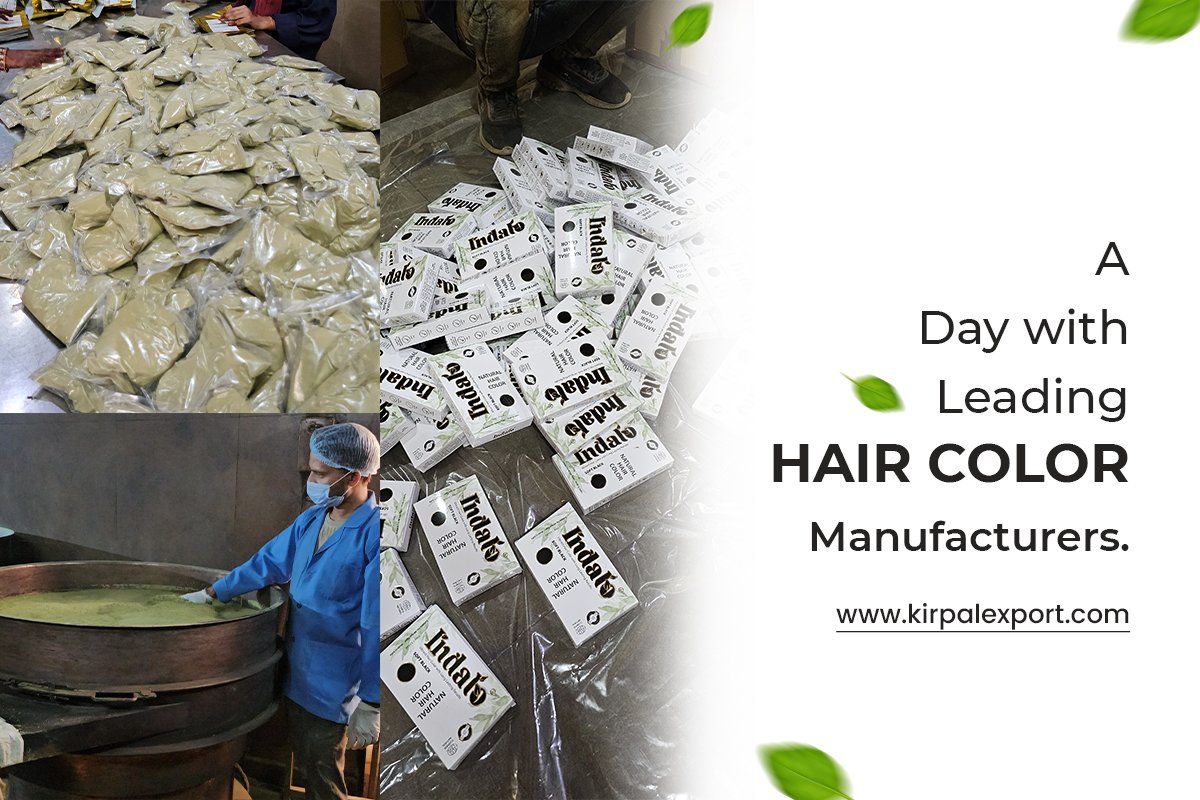
A Day with Leading Hair Color Manufacturers in the USA Supply Chain
Most people never think about where their hair color actually comes from. They pick a box off a shelf. They trust the label. But behind every tube, sachet, or kit is a manufacturing process that either protects your health — or cuts corners on it. Today, we’re going inside. We spent a full day with one of the leading hair color manufacturers supplying the U.S. market. What we saw will change how you evaluate every product you stock, sell, or use. Whether you’re a salon owner, a brand builder, or a curious consumer, this tour is for you.
Planning to source or launch your own line? First, read our guide on hair dye manufacturers to understand what separates great suppliers from risky ones.
Why Factory Transparency Matters More Than Ever
U.S. consumers are paying closer attention to what goes into their beauty products. The demand for hair colors, natural alternatives — free from ammonia, PPD, and synthetic preservatives — has grown steadily across every major market, from New York to Los Angeles to smaller cities in between.
But “natural” is easy to print on a label. It’s harder to prove. That’s why factory transparency has become one of the most important signals a buyer can look for. A manufacturer that welcomes visitors, shares process photos, and publishes certifications is telling you something important: they have nothing to hide.
The facility we visited belongs to Kirpal Export Overseas (KEO) — an Indian manufacturer with 25+ years of experience exporting hair color dye and herbal hair care products to clients in the USA, UK, Europe, and the Middle East.
Stop 1 — The Farm: Where Quality Actually Begins
7:00 AM
The tour doesn’t start inside a building. It starts outdoors.
KEO operates its own henna and indigo farms in the Sojat region of Rajasthan, India. This is where the raw material story begins. Sojat is globally recognized as the premium source for high-lawsone henna — the compound responsible for deep, lasting color in hair colors and natural products.
Farm supervisors check crop maturity before any harvest begins. The timing is precise. Henna harvested too early has low dye content. Harvested too late, the leaves toughen and reduce powder fineness.
What Vertical Integration Means for U.S. Buyers
Most manufacturers buy henna on the open commodity market. Prices fluctuate. Quality varies. Consistency suffers. KEO’s farm ownership eliminates that variability. When you source from a manufacturer who grows their own raw material, you’re buying from the root up.
For U.S. hair color manufacturers in usa supply chains, this level of traceability is increasingly important. Retailers and end consumers want to know exactly where ingredients come from — and a manufacturer that owns their farm can answer that question definitively.
Stop 2 — Raw Material Intake and Laboratory Screening
9:00 AM
After harvest, dried henna and indigo leaves enter the facility through a dedicated intake zone. Nothing moves into production without passing this checkpoint.
The intake team runs a series of checks on every incoming batch:
- Moisture content — high moisture causes clumping and shortens shelf life
- Lawsone percentage — the active dye compound must meet minimum thresholds
- Foreign matter — stems, dust, or debris are flagged and removed
- Microbial screening — contamination at this stage would compromise the entire downstream process
Every result is logged. Every decision is documented. This is what GMP (Good Manufacturing Practice) certification actually looks like in practice — not a framed document on a wall, but a daily operating discipline.
Batches that fail any criteria are rejected outright. There is no “good enough” threshold at this stage.
Stop 3 — Milling, Sieving, and Powder Refinement
10:30 AM
Approved raw material moves into the milling room — the loudest part of the facility and one of the most technically precise.
Industrial milling equipment grinds dried henna and indigo leaves into fine powder. The critical variable here is mesh fineness. Premium hair color kits professional formulas require powder sieved to 100–200 mesh. Finer powder means smoother paste consistency, better skin and scalp adhesion, and more even color results.
KEO controls three variables throughout milling:
- Temperature — excessive heat during grinding degrades lawsone content
- Particle size consistency — multi-stage sieving ensures uniformity across every batch
- Cross-contamination prevention — separate milling lines for different product types prevent ingredient overlap
After milling, the powder rests before moving to formulation. This settling stage allows any residual heat to dissipate and ensures the product is stable before blending begins.
Stop 4 — Formulation and Herbal Blending
12:00 PM
Pure henna and indigo powders are just the beginning. KEO’s product range includes herbal blends — formulations that combine henna and indigo with additional botanicals like amla, brahmi, shikakai, and bhringraj.
These blends serve different market needs:
- Single-process color formulas for consumers who want simplified application
- Conditioning color blends for clients, prioritizing hair health alongside color
- Beard and eyebrow color formulations with finer particle size and adjusted dye ratios
- Custom OEM formulas developed specifically for private label brand clients
The formulation room is air-controlled and humidity-managed. Weighing and blending happen under strict protocols. Batch records track every ingredient, every quantity, and every production team member involved in the process.
For brands wondering whether botanical-based hair color dye products actually perform safely on hair, our research-backed article covers the evidence: Does natural henna powder damage hair?
Stop 5 — The Quality Assurance Lab
1:30 PM
Every production batch stops here before it goes anywhere else.
KEO’s QA lab runs finished product testing across multiple parameters:
| Test | Why It Matters |
| Heavy metal screening (lead, arsenic, cadmium) | Regulatory compliance for U.S. and EU markets |
| pH measurement | Affects safety and color performance on hair |
| Color yield test | Real application on hair samples confirms dye strength |
| Stability testing | Confirms product performs correctly after simulated storage |
| Microbial count | Ensures product is safe for scalp contact |
Every test generates a data point. Every data point feeds into the Certificate of Analysis (CoA) that ships with each order. For U.S. importers, this document is essential. It’s what customs officers check. It’s what your quality team reviews. It’s what protects your brand if a product is ever questioned.
KEO holds ISO, GMP, and HALAL certifications — each requiring regular third-party audits. These aren’t one-time achievements. They’re maintained continuously.
Stop 6 — The Private Label and OEM Workshop
2:45 PM
Here’s where the tour gets particularly interesting for brand builders.
A large section of KEO’s operation is dedicated entirely to hair color kits, professional private label, and OEM projects. Brands from the USA, UK, Australia, and the Middle East use KEO as their behind-the-scenes manufacturing partner.
The OEM process at KEO runs through seven clear stages:
- Brand brief — client submits shade preferences, formula type, and packaging specifications
- Formula development — KEO formulates a batch matched to the brief
- Sample shipment — physical samples sent to client for real-world testing
- Client approval — formula adjustments if needed, then final sign-off
- Production run — full batch produced under GMP conditions with full traceability
- QA clearance — finished product passes all lab tests before packing
- Export documentation — CoA, MSDS, HALAL cert, and labeling prepared forthe destination market
This end-to-end capability is why U.S. brands increasingly choose international hair color manufacturers with proven export infrastructure over domestic vendors that can only handle part of the process.
Interested in starting your own label? Our complete guide walks you through every step: how to pick a private label hair color manufacturer.
Stop 7 — Packaging and Export Readiness
4:00 PM
The packaging floor is the final production stage before goods ship out. But it’s far from a simple box-and-seal operation.
KEO uses active packaging — a term that refers to materials and sealing techniques specifically chosen to preserve the product’s active ingredients during storage and transit.
For natural hair color dye products, the threats during shipping are real:
- Moisture ingress — causes premature activation of henna’s dye content
- Oxygen exposure — accelerates color degradation
- Heat fluctuations — affect formula stability, especially for blended herbal products
Active packaging solutions at KEO include multi-layer moisture-barrier laminates, heat-sealed inner pouches, and UV-resistant outer packaging. For shipments heading to U.S. destinations — crossing weeks of ocean freight before reaching distribution centers — this level of protection is not optional.
According to recent industry data on natural cosmetic imports, packaging failures and inadequate documentation are among the leading causes of shipment delays at U.S. ports. KEO’s active packaging and full documentation preparation directly address both risks.
Stop 8 — The Buyer Visits the Gallery and Trust Signals
5:00 PM
The last stop on the tour is actually the most telling one.
KEO maintains a gallery of international buyers who have physically visited the facility. These aren’t stock photos or staged marketing shoots. They’re real visitors — distributors, brand owners, and purchasing managers — who came to verify for themselves what they were buying into.
This level of openness is rare. Most manufacturers prefer to keep buyers at a distance. KEO does the opposite — and that willingness to be seen is itself a quality statement.
For U.S. buyers who can’t make the trip to India, KEO supports remote vetting through detailed video walkthroughs, photographic documentation of every production stage, and a structured sampling program that lets buyers test product quality before any bulk commitment.
Case Study: How KEO Became a Trusted Partner for U.S. Hair Color Brands
Company: Kirpal Export Overseas (KEO) Founded: ~2000 | Based: New Delhi, India Leadership: Mr. Sunil Walia (Founder), Mrs. Payal Walia (VP)
The Problem KEO Solved
U.S. brands sourcing natural hair color dye products faced a fragmented market. Raw material suppliers, formulators, packagers, and export agents were all separate. Managing four vendors to produce one SKU created cost, complexity, and quality risk at every handoff.
KEO’s Answer
KEO vertically integrated the entire process — farm, formulation, manufacturing, QA, packaging, and export documentation — under one roof. One point of contact. One accountability chain. One quality system.
The Result for U.S. Buyers
- Consistent batch quality backed by ISO and GMP certification
- Full export documentation is ready for U.S. customs clearance
- Private label capability from formula development through finished, labeled product
- 25+ years of verified export experience across multiple international markets
FAQs: Hair Color Manufacturers — U.S. Buyer Questions Answered
Q: What should I look for when choosing hair color manufacturers in the USA supply chain? Focus on certifications (ISO, GMP), raw material traceability, export documentation capability, and verified batch testing. Manufacturers who own their raw material source offer the most consistent quality.
Q: How are professional hair color kits different from retail ones? Professional hair color kits typically use higher active ingredient concentrations, offer wider shade ranges, and come with precise application instructions. They’re designed for controlled, repeatable results rather than single-use convenience.
Q: Are natural hair colors genuinely safer than synthetic dyes? Generally, yes — especially for consumers sensitive to PPD or ammonia. However, quality varies significantly between manufacturers. Lab-tested, certified natural products from verified suppliers are the safest option.
Q: How do I verify that a hair color dye manufacturer is compliant with U.S. import regulations? Request a Certificate of Analysis, MSDS, and evidence of GMP certification. Confirm they can provide FDA-compliant ingredient labeling using INCI names. Ask about their prior U.S. export history.
Q: Can I get a custom formula from hair color manufacturers? Yes, many established manufacturers offer OEM and private label services. You can customize shade, formula type, packaging, and labeling. Lead times for custom formulas typically range from 4 to 8 weeks for sampling.
What This Tour Proved
Walking through a facility is different from reading a website. You see the real conditions. You meet the actual team. You understand whether the certifications mean anything in practice or just look good on paper.
The best hair color manufacturers in usa supply chains are built on process discipline, ingredient traceability, and documented quality — not marketing claims. KEO demonstrated all three across every stop on this tour.
If you’re evaluating suppliers for your brand or business, use what you saw here as your benchmark. And if you’re ready to go deeper, start with our full guide to hair dye manufacturers to compare your options with confidence.