
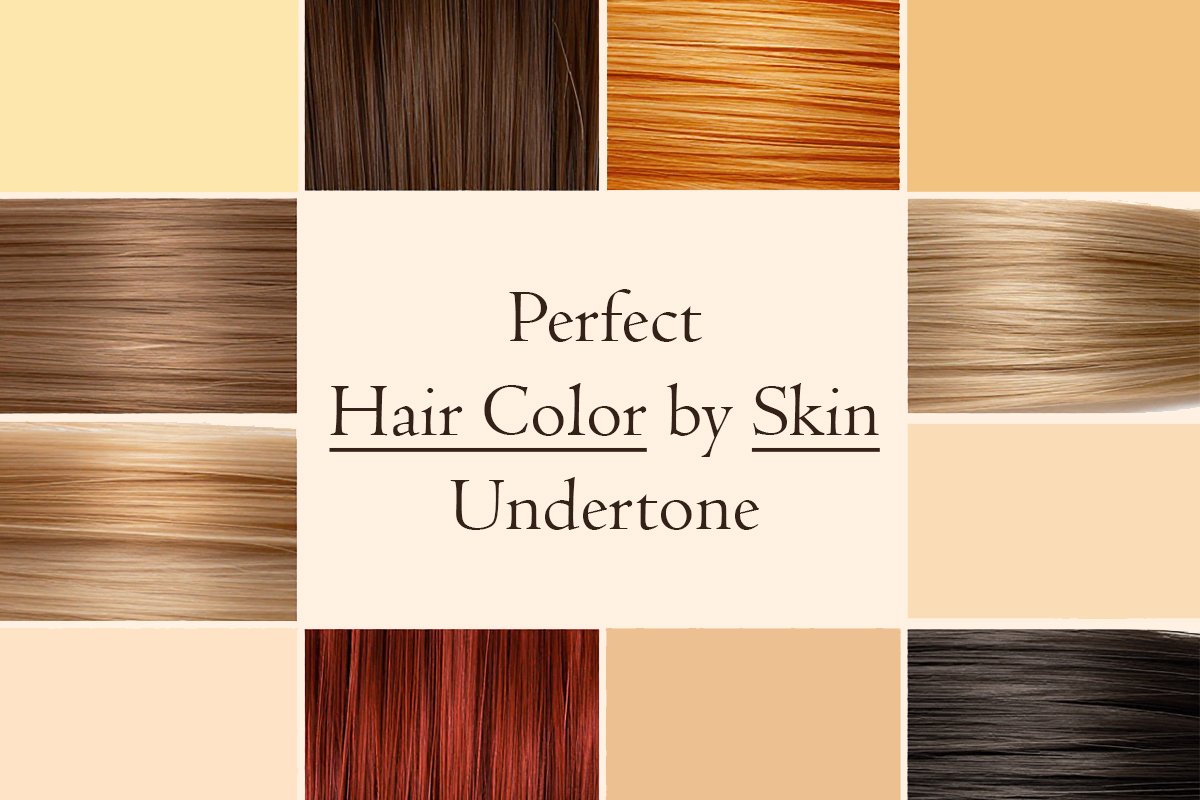
The Viral Shade Guide from Top Hair Color Manufacturers in the USA
Most people pick hair color the wrong way. They see a shade they like on a box or on someone else, buy it, try it, and then wonder why it looks off on them. It happens all the time. The truth is, your skin’s undertone decides everything. It tells you which shades will make you glow and which ones will make you look washed out. Hair color manufacturers in the USA have known this for decades. Now it’s time regular people knew it too.
This guide breaks it all down simply — no confusing beauty jargon, no guesswork.
What Is a Skin Undertone and Why Does It Matter?
Your skin tone is what you see on the surface — fair, medium, tan, dark. Your undertone is the color sitting underneath that surface. It doesn’t change with seasons, tans, or age. It stays the same your whole life.
There are three undertones:
- Warm — golden, peachy, yellowish hints in the skin
- Cool — pink, rosy, or slightly bluish hints
- Neutral — a mix of both warm and cool
Once you know your undertone, choosing the right hair color becomes much easier. It stops being a gamble.
How to Find Your Skin Undertone at Home (3 Easy Tests)
You don’t need to visit a salon to figure this out. Try these three tests in natural daylight:
- The Vein Test Look at the inside of your wrist. Green veins = warm undertone. Blue or purple veins = cool undertone. A mix of both = neutral.
- The Jewelry Test Hold gold jewelry near your face, then silver. If gold makes your skin look lit up and alive — warm. If silver looks better — cool. If both work equally — neutral.
- The White Paper Test Hold a white sheet next to your bare face. If your skin looks yellow or golden against it — warm. If it looks pink or rosy — cool. If it’s hard to tell — neutral.
Do all three tests. If two or three point to the same answer, that’s your undertone. Many people have shared their experiences with these tests — including this relatable story on how one person finally stopped guessing and found the right color.
Best Hair Colors for Warm Undertones
Warm undertones look best with shades that carry similar warmth. The golden or reddish base in these colors complements the natural warmth in your skin.
Top shades to try:
- Honey blonde
- Golden brown
- Chestnut
- Caramel
- Copper
- Auburn
- Warm red
Avoid: Ash blonde, platinum, cool chocolate, or anything labeled “smoky.” These shades clash with warm skin and make it look dull.
Tip for USA buyers: Many professional hair color suppliers offer warm-toned collections specifically designed for medium to tan skin tones, which are common across diverse American demographics.
Best Hair Colors for Cool Undertones
Cool undertones shine with shades that have a blue, violet, or ash base. These colors balance the pink or rosy hints in your skin.
Top shades to try:
- Platinum blonde
- Ash brown
- Cool espresso
- Blue-black
- Burgundy
- Rose gold (yes, surprisingly it works beautifully on cool skin)
Avoid: Golden blonde, copper, warm auburn — these make cool-toned skin look orange or ruddy.
Best Hair Colors for Neutral Undertones
Neutral undertones are honestly the most flexible. Most shades work, but the most flattering ones sit in the middle — not too warm, not too cool.
Top shades to try:
- Neutral brown
- Soft mocha
- Dirty blonde
- Medium auburn
- Chocolate brown
People with neutral undertones can experiment the most freely, which makes them ideal candidates for private label hair color product trials and sample testing.
Why Natural and Herbal Hair Colors Are Growing Fast in the USA
There’s a clear shift happening in the American market. More people — especially younger buyers — are moving away from chemical-heavy hair dyes toward natural alternatives. Sales of plant-based and herbal hair colors have grown steadily over the last five years.
One reason is awareness. People are reading ingredient labels more than ever. They’re asking what’s actually in their hair dye. Chemicals like ammonia, PPD, and resorcinol have raised health concerns for many consumers.
The other reason is results. Natural dyes, when formulated properly, can deliver rich, lasting color without the scalp irritation many people experience with synthetic products.
Henna is one of the oldest and most trusted natural hair colorants in the world. It has been used across South Asia, the Middle East, and North Africa for centuries. When sourced properly and processed correctly, henna gives warm red-brown tones that are completely free of harsh chemicals.
What most people don’t know is that henna works especially well for warm undertones. The natural reddish pigment — lawsone — sits beautifully on golden and peachy skin tones. If you have warm undertones and want to go the natural route, henna is worth serious consideration.
Case Study: How Kirpal Export Overseas Serves the Growing Demand for Natural Hair Color
Kirpal Export Overseas (KEO) is a Rajasthan-based manufacturer that has been in the natural henna and herbal hair color business for over 25 years. Founded by Mr. Sunil Walia and led today alongside Vice-President Mrs. Payal Walia, the company has built its reputation entirely on natural, chemical-free hair color products.
KEO grows and processes Sojat henna — considered some of the finest in the world — directly from its own farms. This gives them full control over quality from soil to shelf.
What makes KEO relevant for the US market?
The USA has seen a surge in demand for clean-label beauty. Consumers want to know where their products come from. KEO’s farm-to-export model answers that directly. They offer:
- ISO, GMP, and HALAL certified manufacturing
- OEM and private-label services — ideal for US brands wanting to launch their own natural hair color line
- Export-ready packaging with active packaging technology that preserves ingredient quality during shipping
- A full product range including henna powder, indigo powder, herbal hair blends, beard color, and eyebrow color
For US brands and distributors sourcing from wholesale hair color manufacturers, KEO offers the kind of traceability and certification that Western retail buyers actually require. They’ve invested in buyer visit galleries and documentation specifically because export clients need proof, not just promises.
You can read more about how KEO approaches hair color manufacturing and the steps they follow from raw material sourcing all the way through to finished product export.
What Separates the Best Hair Dye Manufacturers from the Rest?
Not all hair color products are equal — and not all manufacturers are either. Here’s what actually separates quality producers from the rest:
- Raw material sourcing The best producers control where their ingredients come from. For natural hair colors, this means owning or partnering with verified farms. For synthetic dyes, it means using pharmaceutical or cosmetic-grade chemicals — not industrial substitutes.
- Certified manufacturing Look for ISO, GMP, and where relevant, HALAL or organic certifications. These aren’t just stickers — they require documented processes, regular audits, and consistent quality control.
- Formulation expertise A good manufacturer knows how different hair types, textures, and regional climates affect how color performs. They build that knowledge into their formulas. The best hair dye manufacturers test their products across different conditions, not just in a single lab setting.
- Packaging that protects the product Especially for natural and herbal products, packaging matters. Exposure to air and moisture can degrade active ingredients like lawsone in henna. Professional manufacturers use active or sealed packaging to maintain product efficacy.
- OEM and private-label capability The most capable hair dye manufacturers don’t just make one product for the world. They work with brands to create customized formulas, packaging, and labeling. This is how many successful US hair care brands source their products.
If you want to understand more about whether henna and natural ingredients are safe for different uses, KEO also covers some common questions — including whether henna is edible — which gives you a sense of how transparent they are about their ingredients.
Practical Tips for Choosing Hair Color by Undertone in the USA
- Always do a strand test first — especially with natural dyes like henna, which behave differently on pre-colored hair
- Check the tone description on the box — numbers like 5.3 mean level 5 (medium brown) with a .3 (golden) tone. A .1 is ash, a .4 is copper
- Ask your stylist about their product source — professional salons in the USA use products from dedicated hair color exporters and professional distributors, not retail shelves
- Go warmer in winter, slightly cooler in summer — your skin tone shifts slightly with seasons, and adjusting your hair color keeps everything balanced
- If going natural, start with henna on a small section — the color builds over multiple applications, so patience pays off
For a broader look at the science and global trends behind hair color choices, this overview is a useful starting point.
FAQs
Q: How do I know if I have warm or cool undertones? Try the vein test, the jewelry test, and the white paper test. If two out of three point the same way, that’s your undertone.
Q: Can I use henna if I have cool undertones? Henna gives warm red-brown tones, so it works best on warm undertones. If you have cool skin, straight henna might clash slightly. Some manufacturers blend henna with indigo to create cooler, deeper tones that suit cool undertones better.
Q: Where do professional salons in the USA get their hair color? Most professional salons buy from authorized distributors or directly from hair color manufacturers in USA who produce professional-grade formulas. These are not the same products found in drugstore aisles.
Q: What should I look for in a wholesale hair color manufacturer? Look for certifications (ISO/GMP), transparent sourcing, OEM capability, consistent supply, and export documentation if you’re importing from overseas producers.
Q: Is natural hair color as effective as chemical dye? For covering grays fully, chemical dyes are still more reliable. But for adding tone, enhancing natural color, or conditioning the hair, quality natural dyes — especially henna-based ones — can be very effective with zero harsh side effects.
Final Thoughts
Choosing the right hair color isn’t about picking the prettiest shade on a box. It’s about understanding your skin, knowing your undertone, and then selecting a color that works with your natural coloring — not against it. Once you know your undertone, the whole process becomes straightforward.
And if you’re on the business side — sourcing hair color products, building a private label brand, or looking for reliable wholesale hair color manufacturers — the same principle applies. Know what you need, verify where it comes from, and work with manufacturers who can actually prove their quality.