
5 Proven Steps to Find Trusted Henna Powder Suppliers That Actually Deliver in the USA
Introduction
Finding the right henna powder suppliers in the USA is harder than it looks. Many buyers place large orders. Then they get powder that smells wrong, clumps fast, or has no proper documentation. That is a real problem for private label brands. This blog will help you avoid that trap. You will learn what to check, what questions to ask, and how to find henna wholesale manufacturers who are serious about quality. We cover everything — from certifications to red flags — so you make a confident decision.
Why So Many USA Buyers Struggle to Source Henna
The demand for natural hair color in the USA is growing fast. More people want chemical-free options. This trend has pushed hundreds of new suppliers into the market. Not all of them are honest.
Some suppliers mix synthetic dyes into their henna. Others send good samples but bad bulk orders. Many cannot provide the right export documents for the USA market.
One buyer shared her experience on Vocal Media — she wasted thousands of dollars before finding a genuine, chemical-free supplier. Her story is not unique.
So, what is the smart way forward? Let us break it down.
Step 1 — Know What “Good” Henna Actually Looks Like
Before you contact any henna manufacturers, you need to understand the product itself.
Henna is a plant-based dye made from the dried leaves of Lawsonia inermis. Good-quality henna powder is:
- Fine in texture, not gritty
- Deep green in color (not brownish or pale)
- Fresh-smelling, like cut grass or herbs
- Free from synthetic additives like PPD (para-phenylenediamine)
If a supplier cannot explain the basic properties of their product, that is your first red flag. A real manufacturer knows their raw material inside out.
Tip for USA buyers: Ask for a Certificate of Analysis (COA) with every sample. This document proves the powder has been tested for heavy metals, microbial content, and dye content.
Step 2 — Verify Certifications Before Anything Else
Certifications are not just badges. They are proof that a supplier follows global manufacturing standards.
When sourcing wholesale henna powder for the USA market, look for these certifications:
- ISO 9001 — Quality management system
- GMP (Good Manufacturing Practices) — Safe, hygienic production
- HALAL — Important for international buyers
- USDA Organic — If you want certified organic claims on your label
But certifications can be faked or outdated. Always ask for the certificate number and verify it with the issuing body. A helpful guide on what certifications actually tell you about a henna manufacturer breaks this down clearly.
One more thing — check if the supplier knows FDA rules for the USA. Selling cosmetic products in the USA without proper compliance can get your shipment rejected at the port. A detailed breakdown of what FDA rules mean for henna suppliers selling in the USA is worth reading before you place any order.
Step 3 — Always Ask About the Source of the Henna
Where the henna comes from matters a lot. Henna powder manufacturers in India mostly source from Sojat, a town in Rajasthan. Sojat henna is known globally for its high lawsone content. That is the active dye molecule that gives henna its staining power.
But not every supplier uses Sojat henna. Some mix it with cheaper varieties from other regions. The result is weaker color and shorter shelf life.
Why does origin matter? Read this piece on Sojat henna and why origin matters more than you think. It explains the science and the sourcing difference in plain language.
What to ask your supplier:
- Where do you source your raw henna leaves?
- Do you own or lease the farms?
- Can you provide farm photos or a buyer visit?
Suppliers who own or directly partner with farms have better control over quality. They can trace a batch of powder back to the field it came from.
Step 4 — Test the Private Label Process Before You Commit
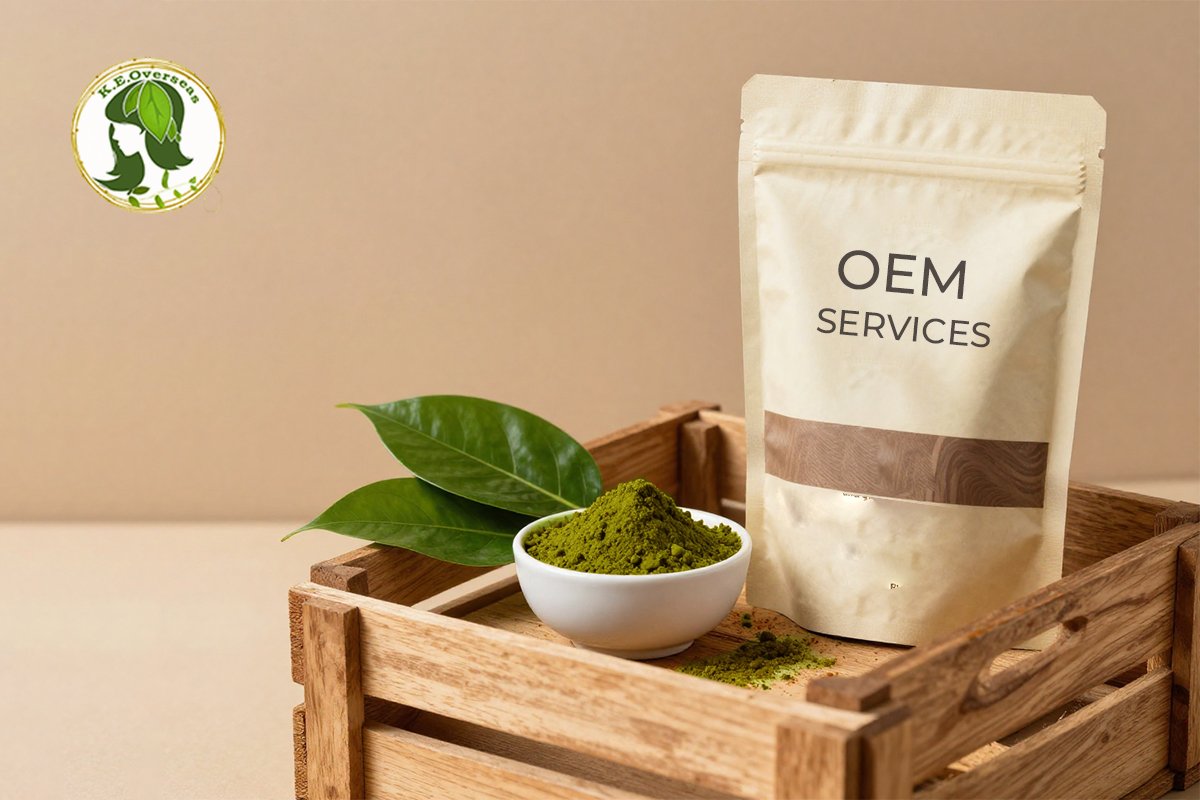
Private label henna is a great business model. You sell under your own brand. The manufacturer handles production. But many USA brands have been burned by suppliers who promise OEM services and then deliver a mess.
Here is what a proper private label henna process should look like:
Stage 1 — Brief & Design You share your brand name, logo, and label design. The supplier creates a mock-up.
Stage 2 — Sample Production A small batch is made with your packaging. You review it. You test the product.
Stage 3 — Approval & Production Once you approve, the full order is produced. You get a pre-shipment inspection report.
Stage 4 — Shipping & Documentation The supplier prepares all export documents — COA, phytosanitary certificate, MSDS sheet, and invoice.
If a supplier skips any of these stages, slow down. A rushed process often means hidden problems.
Step 5 — Check Safety Claims Carefully
The natural hair care space is full of safety claims. Some are real. Many are not. “100% natural,” “chemical-free,” and “herbal” are not regulated terms in most countries.
So, how do you know if a supplier is telling the truth? A recent article explores whether henna is actually as safe as trusted henna manufacturers claim. It is a fair, balanced read that helps buyers ask sharper questions.
Key safety checks for USA buyers:
- Does the powder contain PPD or other coal tar dyes? (These are banned in cosmetics in many US states.)
- Is there third-party lab testing on each batch?
- Does the supplier share full ingredient disclosure?
If the answer to any of these is vague, move on.
Real Case Study — How Kirpal Export Overseas Handles Private Label Orders
Kirpal Export Overseas (KEO) is a Sojat-based henna manufacturer with 25+ years of experience. Founded by Mr. Sunil Walia around 2000, the company supplies henna, indigo powder, and herbal hair colors to international buyers.
Here is what makes their process stand out for USA-based private label buyers:
Traceability: KEO owns henna and indigo farms. Buyers can request farm photos or visit in person. This level of transparency is rare.
Certifications: The company holds ISO, GMP, and HALAL certifications — all critical for exporting to the USA market.
OEM Workflow: KEO follows a structured sample-to-production process. They handle design, packaging, and export documentation under one roof.
Product Range: Beyond henna powder, they offer indigo powder, herbal hair color blends, and beard and eyebrow color — useful if you want to expand your private label line.
Active Packaging: They use packaging designed to preserve freshness during long shipping times — something many smaller suppliers overlook.
Their organic henna powder product page lists full product details, including certifications and MOQ (minimum order quantity) information.
For buyers who want to learn more about how Indian henna brands are positioning themselves in global markets, this Google resource on henna trends and supplier growth is a useful external reference.
Red Flags That Tell You to Walk Away
Use this quick checklist before you place any order:
- ❌ No certifications or expired certificates
- ❌ No COA or lab reports available
- ❌ Supplier cannot name the source region of their henna
- ❌ No structured sample process
- ❌ Vague answers about FDA compliance
- ❌ No physical address or factory photos
- ❌ Prices that seem too good to be true
One honest supplier at a fair price is always better than a cheap supplier who wastes your time and money.
FAQ — Common Questions USA Buyers Ask
Q1: What is the minimum order for wholesale henna powder? Most Indian manufacturers have MOQs between 100 kg and 500 kg for wholesale. Private label orders may start at 50 kg depending on the supplier.
Q2: How do I know if the henna is chemical-free? Ask for a third-party lab report. Look for zero PPD content and no synthetic dyes listed in the COA.
Q3: Can Indian henna suppliers ship directly to the USA? Yes. Reputed henna wholesale manufacturers handle sea freight and air freight. They also prepare all customs documents.
Q4: How long does shipping take from India to the USA? Sea freight takes 25–35 days. Air freight takes 5–10 days. Always plan ahead for your inventory cycle.
Q5: Is Sojat henna better than other varieties? Sojat henna generally has higher lawsone content. That means stronger, longer-lasting color. It is the preferred choice for most premium private label brands.
Conclusion
Finding the right henna powder suppliers in the USA takes time. But the steps are clear. Verify certifications. Understand sourcing. Test the private label process. Check safety claims. And always look for transparent suppliers who have nothing to hide.
The natural hair care market in the USA is growing. It rewards brands that get the sourcing right. Take these steps seriously, and you will build a product your customers trust.